
Houston homeowners deal with a unique combination of weather throughout the year. High temperatures, heavy humidity, and frequent thunderstorms can all put pressure on the systems that keep a home comfortable and functioning properly.
For Houston homeowners, the concern isn’t just an uncomfortable afternoon. Extended heat can make your air conditioner work harder, high humidity can make indoor moisture more difficult to control, and thunderstorms can expose weaknesses in electrical, plumbing, drainage, and other parts of the home.
The National Weather Service’s Houston climate information shows just how important heat and rainfall are to the region. Houston’s long-term climate records include substantial rainfall and a wide range of temperatures throughout the year.
That combination makes regular home maintenance especially important.
Here’s what Houston homeowners should know about the way heat, humidity, and thunderstorms can affect HVAC, plumbing, and electrical systems—and what you can do to stay ahead of problems.
Why Houston Weather Can Be Hard on Home Systems
Houston’s weather doesn’t usually affect just one part of your home.
Think about a typical summer day.
Temperatures rise, so your air conditioner runs longer. Higher humidity means your AC has to work to keep the indoor environment comfortable. Meanwhile, other electrical equipment continues operating throughout the house.
Then a thunderstorm moves through.
Heavy rain can test your home’s drainage and plumbing. Lightning and power fluctuations can create electrical concerns. Water can find its way into areas that were previously dry.
The weather itself isn’t necessarily going to damage your home every time it gets hot or storms roll through. However, repeated exposure can make existing weaknesses more noticeable.
For Houston homeowners, that is why preventative maintenance matters.
1. Heat Can Put Extra Pressure on Your HVAC System
Your air conditioner is usually one of the first home systems to feel the effects of extreme Houston heat.
When outdoor temperatures climb, your AC may need to operate for longer periods to maintain the temperature you’ve selected.
Longer run times aren’t automatically a problem. During very hot weather, extended operation can be normal.
The concern is when your system is working hard but isn’t keeping the home comfortable.
Houston homeowners should watch for:
- AC running almost continuously
- Warm air coming from vents
- Rooms that remain noticeably hotter than others
- Weak airflow
- Unusual noises
- Frequent cycling
- Water around the indoor unit
- Unexplained increases in electricity use
These symptoms can have different causes, including restricted airflow, dirty components, drainage problems, electrical issues, or other equipment concerns.
If your system struggles during hot weather, professional HVAC maintenance can help identify problems before they become a larger repair.
All Star A/C, Plumbing & Electrical provides HVAC services in Houston for homeowners who need maintenance, diagnostics, repairs, or other HVAC assistance.
2. Houston Humidity Can Make Indoor Comfort More Difficult
Heat gets most of the attention, but humidity is another major consideration for Houston homeowners.
Your air conditioner does more than lower the temperature. It also helps remove moisture from indoor air.
When an HVAC system isn’t operating properly, a home may feel damp or uncomfortable even when the thermostat shows a reasonable temperature.
Signs of excessive indoor moisture can include:
- Condensation on windows
- Damp or clammy rooms
- Musty odors
- Moisture around vents
- Water around HVAC equipment
- Persistent humidity despite the AC running
The EPA recommends keeping indoor relative humidity below 60%, with 30%–50% being ideal when possible. You can learn more from the EPA’s guidance on mold, moisture, and your home.
For Houston homeowners, keeping the AC properly maintained and addressing moisture problems quickly can help protect both comfort and the home itself.
3. AC Drainage Problems Can Lead to Water Damage
One HVAC issue that homeowners sometimes overlook is condensate drainage.
As your air conditioner removes moisture from indoor air, condensation needs to drain away properly. If a condensate drain becomes clogged or another drainage problem develops, water may back up around the indoor equipment.
You might notice:
- Water around the furnace or air handler
- A full drain pan
- Ceiling stains
- Damp flooring
- Musty odors
- An AC system that shuts down unexpectedly
Don’t simply wipe up the water and move on.
If water keeps returning, there is a reason.
For Houston homeowners, addressing an HVAC drainage problem early can help prevent a small issue from turning into a larger moisture or property-damage problem.
All Star also offers HVAC maintenance in Houston to help homeowners keep their cooling systems operating properly.
4. Summer Heat Can Increase Electrical Demand
Your air conditioner uses electricity, and it may run significantly more during periods of extreme heat.
That means your electrical system can also experience greater demand.
Most of the time, homeowners simply notice this through their utility bill. But unusual electrical behavior should not be ignored.
Watch for:
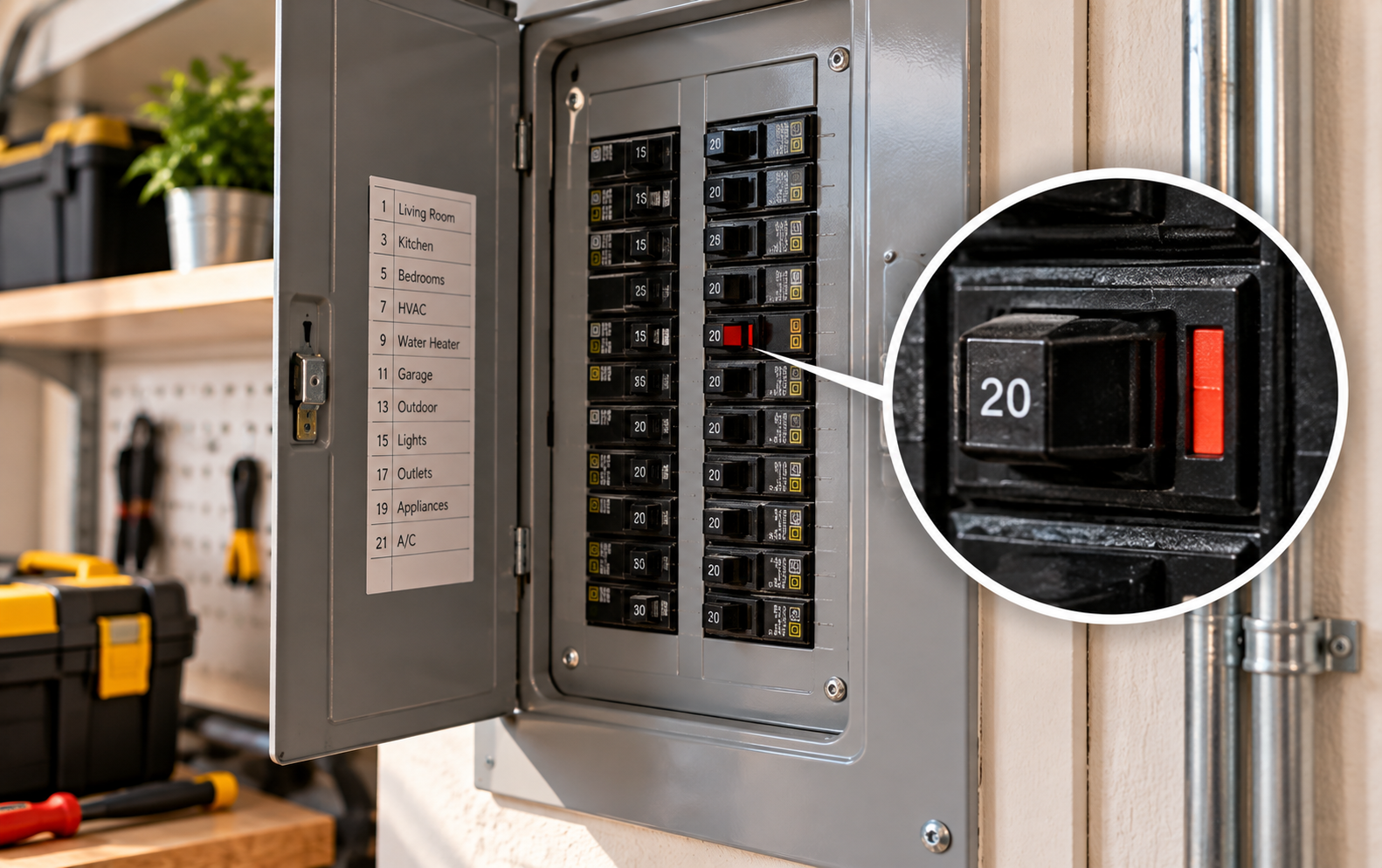
- Breakers that trip repeatedly
- Flickering or dimming lights
- Warm outlets or switches
- Burning smells
- Buzzing sounds
- Circuits that repeatedly overload
- Electrical equipment that behaves differently when major appliances operate
A breaker that trips once may have responded to a temporary overload. Repeated trips, however, deserve investigation.
For Houston homeowners, it is especially important to address recurring electrical problems before extreme weather puts additional demand on the system.
All Star provides electrical services in Houston for homeowners who need professional electrical troubleshooting and repairs.
5. Thunderstorms Can Create Electrical Concerns
Houston thunderstorms can bring heavy rain, strong winds, lightning, and sudden changes in weather conditions.
Lightning is particularly important from an electrical perspective.
A thunderstorm does not have to directly strike your house to create a reason for caution. Power disturbances and electrical equipment issues can occur during severe weather.
Houston homeowners should consider:
- Unplugging sensitive electronics when appropriate
- Using properly installed surge protection
- Avoiding damaged electrical equipment
- Never handling electrical equipment that has been exposed to standing water
- Having recurring electrical problems evaluated
Surge protection can be part of a broader electrical protection strategy, but it isn’t a guarantee against every type of electrical damage.
The safest approach is to address electrical problems before the next major storm arrives.
6. Heavy Rain Can Expose Plumbing and Drainage Problems
Thunderstorms don’t only affect electrical systems.
Heavy rainfall can put pressure on drainage around the property and may reveal existing problems that weren’t obvious during dry weather.
For example, homeowners may notice:
- Water pooling around the home
- Slow-draining areas
- Overflowing gutters
- Water entering through vulnerable areas
- Plumbing leaks becoming more noticeable
- Drainage problems around outdoor fixtures
A home’s plumbing system also deserves attention during periods of heavy weather.
Check under sinks, around toilets, near water heaters, and around exposed plumbing connections for signs of leaks or moisture.
The EPA’s WaterSense program recommends regularly checking homes for leaks and addressing them promptly because leaks can waste water and potentially cause property damage. See the EPA’s home maintenance guidance for additional recommendations.
7. Thunderstorms Can Reveal Problems You Didn’t Know You Had
One of the biggest reasons Houston homeowners should pay attention after a major storm is that rain can expose weaknesses that were already present.
A storm may reveal:
- A clogged drain
- Poor exterior drainage
- A roof leak
- Water entering around an opening
- A damaged electrical component
- A failing sump or drainage system
- Plumbing leaks
- Moisture around HVAC equipment
The storm didn’t necessarily create every problem.
Sometimes, it simply made an existing problem visible.
That distinction matters because fixing the visible symptom without addressing the underlying cause can allow the issue to return.
8. Your Plumbing System Can Also Be Affected by Summer Conditions
Heat and storms aren’t the only reasons to keep an eye on your plumbing.
Increased summer activity can mean more showers, laundry, outdoor water use, irrigation, and other demands on the plumbing system.
If you suddenly notice a higher water bill without a clear reason, investigate.
The EPA reports that household leaks can waste thousands of gallons of water each year. Its WaterSense leak detection guidance explains how homeowners can monitor unusual water use and identify potential leaks.
Houston homeowners should pay attention to:
- Unexplained increases in water usage
- Running toilets
- Dripping faucets
- Low or changing water pressure
- Damp areas under sinks
- Water stains
- Unexpected sounds when no fixtures are being used
A small leak may not look serious, but leaving it unresolved can waste water and potentially cause damage.
For professional plumbing assistance, All Star offers plumbing services in Houston.
9. What Houston Homeowners Should Check After a Major Storm
After a significant thunderstorm, take a few minutes to look around your home.
Check your electrical system
Look for obvious signs of damage, burning odors, unusual sounds, or equipment that isn’t functioning normally.
If electrical equipment has been exposed to water, don’t attempt to handle or operate it yourself.
Check your HVAC equipment
Look around your indoor and outdoor HVAC equipment for standing water, debris, unusual noises, or other obvious changes.
Check for plumbing leaks
Look under sinks and around toilets, water heaters, and visible plumbing connections.
Check for water intrusion
Look at ceilings, walls, windows, doors, and other areas where water could potentially enter.
Check drainage
Make sure gutters and downspouts are moving water away from the home and that obvious drainage paths aren’t blocked.
These simple checks can help Houston homeowners catch problems earlier.
10. Preventative Maintenance Is Easier Than Emergency Repairs
You can’t control Houston’s weather.
You can control how prepared your home is for it.
For Houston homeowners, a simple maintenance routine can include:
Before summer:
- Schedule HVAC maintenance
- Check or replace the air filter
- Inspect condensate drainage
- Look for plumbing leaks
- Check electrical warning signs
Before storm season:
- Clean gutters and downspouts
- Check exterior drainage
- Inspect visible plumbing
- Review electrical concerns
- Make sure important equipment is accessible for inspection
After severe weather:
- Look for water intrusion
- Check HVAC equipment
- Watch for electrical problems
- Inspect visible plumbing
- Address unusual noises, odors, or system behavior
The goal isn’t to eliminate every possible problem.
It’s to catch manageable issues before they become emergencies.
How HVAC, Plumbing & Electrical Problems Can Overlap
It’s helpful for Houston homeowners to think of their home as one connected system.
Consider a simple example.
A major heat wave causes your AC to run for extended periods.
That increases electrical demand.
If the HVAC system has an existing drainage problem, the longer operating time may also produce more noticeable moisture issues.
Then a thunderstorm brings heavy rainfall, potentially exposing drainage or water-intrusion problems elsewhere on the property.
None of these events automatically causes the next one.
But they can occur close together.
That’s why maintaining HVAC, plumbing, and electrical systems together can give homeowners a more complete picture of their home’s condition.
When Should You Call a Professional?
Not every home problem requires an emergency service call.
However, some warning signs shouldn’t be ignored.
Call for professional HVAC assistance if:
- Your AC isn’t cooling properly
- The system repeatedly shuts down
- You notice water around the indoor unit
- Airflow has become unusually weak
- The system makes unusual noises
Consider professional plumbing service if:
- You have an unexplained water leak
- Water pressure changes significantly
- Your water bill suddenly increases
- A drain repeatedly backs up
- You notice water stains or damp areas
Have an electrical professional investigate if:
- Breakers repeatedly trip
- Lights frequently flicker
- Outlets become warm
- You smell burning
- Electrical equipment has been exposed to water
For Houston homeowners, getting a problem checked early can be much easier than dealing with the consequences of a system failure.
Why Choose All Star A/C, Plumbing & Electrical?
Houston homes rely on multiple systems every day, especially during periods of extreme heat and severe weather.
All Star A/C, Plumbing & Electrical has served Houston-area homeowners since 2010, providing HVAC, plumbing, and electrical services.
Instead of ignoring unusual noises, leaks, electrical issues, or cooling problems, homeowners can have the issue evaluated and determine the appropriate next step.
Whether you need AC repair, HVAC maintenance, plumbing service, or electrical assistance, All Star is here to help.
Frequently Asked Questions
How does Houston humidity affect my AC?
High humidity can make indoor conditions feel uncomfortable and requires your air conditioner to remove moisture as it cools the home. If your system isn’t operating properly, you may notice persistent humidity, condensation, or a damp feeling indoors.
Can thunderstorms damage my home’s electrical system?
Thunderstorms can create electrical concerns through lightning, power disturbances, and water exposure. Homeowners should avoid handling electrical equipment that has been exposed to water and should have recurring electrical problems professionally evaluated.
Can heavy rain cause plumbing problems?
Heavy rain can expose drainage problems and water-intrusion issues around a property. It can also make existing plumbing or moisture problems more noticeable.
Should I check my HVAC system after a thunderstorm?
Yes. Look for obvious water accumulation, debris, unusual noises, or other changes around your HVAC equipment. If something doesn’t look right, have the system professionally evaluated.
How often should Houston homeowners have their HVAC system maintained?
The appropriate maintenance schedule depends on the equipment, age, condition, and manufacturer’s recommendations. Regular professional maintenance can help identify developing problems before they become larger repairs.
Why is my water bill suddenly higher?
An unexplained increase can have several causes, including increased usage or an unidentified leak. The EPA recommends regularly checking your home for leaks and monitoring water use.
What should I do if my electrical equipment gets wet?
Do not attempt to operate or handle potentially damaged electrical equipment. Water and electricity can create serious hazards. Have the situation evaluated by a qualified professional.
Final Thoughts
Houston’s heat, humidity, and thunderstorms are simply part of living in the region—but that doesn’t mean your home has to be caught off guard.
For Houston homeowners, regular HVAC maintenance, plumbing inspections, electrical checks, and basic storm preparation can help identify problems before they turn into costly emergencies.
Pay attention to changes in your home’s comfort, water usage, electrical behavior, and system performance.
A strange noise, unexplained leak, repeated breaker trip, or AC that suddenly can’t keep up may be your home’s way of telling you something needs attention.
Don’t wait until a small problem becomes a major one.
If your HVAC, plumbing, or electrical system needs professional service, contact All Star A/C, Plumbing & Electrical at (713)-842-9532 or visit our contact page.
Trusted Resources
For additional information about Houston weather, home moisture, plumbing leaks, and storm-related preparation, homeowners can also review these resources:
- National Weather Service — Houston Climate Information
- EPA WaterSense — Home Maintenance
- EPA — Leak Detection and Flow Monitoring
- EPA — Mold, Moisture and Your Home