
Houston homeowners are no strangers to extreme summer heat. But when prolonged high pressure traps hot air over the region, the effects can go beyond an uncomfortable afternoon. A Houston heat dome can place additional stress on the systems that keep your home cool, powered, supplied with water, and protected from moisture.
During the summer of 2026, Texas experienced periods of significant heat and record-setting electricity demand. According to ERCOT’s official 2026 peak demand records, electricity demand reached 91,134 MW on July 22, 2026.
For homeowners, that matters because extreme heat can make multiple home systems work harder at the same time.
Your air conditioner may run for longer periods. Electrical demand can increase as cooling equipment operates more frequently. Plumbing and water-use issues can become more noticeable. And if severe weather follows extreme heat, moisture and flooding can introduce another layer of risk.
That is the potential domino effect of a Houston heat dome.
The good news? Understanding the connection between your home’s systems can help you recognize warning signs and address problems before they become major repairs.
How a Houston Heat Dome Can Affect Your Home
A Houston heat dome generally refers to a period when persistent high pressure contributes to prolonged hot conditions.
The concern for homeowners is not simply the temperature outside. Extended heat can affect how long your HVAC system runs, how much electricity your home consumes, and how difficult it is to maintain comfortable indoor humidity.
Houston homes also have to contend with humidity and the possibility of heavy rainfall and severe storms. That means homeowners should think about extreme weather as a whole rather than focusing on the air conditioner alone.
One system can also influence another.
For example, an air conditioner that is running almost continuously may reveal an existing performance issue. An HVAC drainage problem can introduce unwanted moisture. Increased cooling demand can contribute to higher electrical usage. And severe weather can expose vulnerabilities around plumbing, electrical equipment, HVAC components, and other parts of the home.
A Houston heat dome does not automatically cause every one of these problems. Instead, extreme weather can place additional stress on systems that may already have underlying weaknesses.
1. Your HVAC System May Feel the Heat First
During a Houston heat dome, your air conditioner may have to operate for extended periods to maintain the temperature you’ve selected on your thermostat.
Longer run times are not necessarily a sign that your system is failing. On an especially hot day, continuous or near-continuous operation can happen.
However, there is a difference between an AC system working hard and an AC system struggling.
Pay attention if you notice:
- The home never reaches the thermostat setting
- Certain rooms remain significantly warmer than others
- Air from the vents is not as cool as expected
- Your AC repeatedly turns on and off
- The system makes unusual sounds
- Water appears around the indoor unit
- Indoor humidity feels unusually high
- Your electricity usage suddenly increases
A Houston heat dome can make an existing HVAC problem more obvious because the equipment has less opportunity to rest.
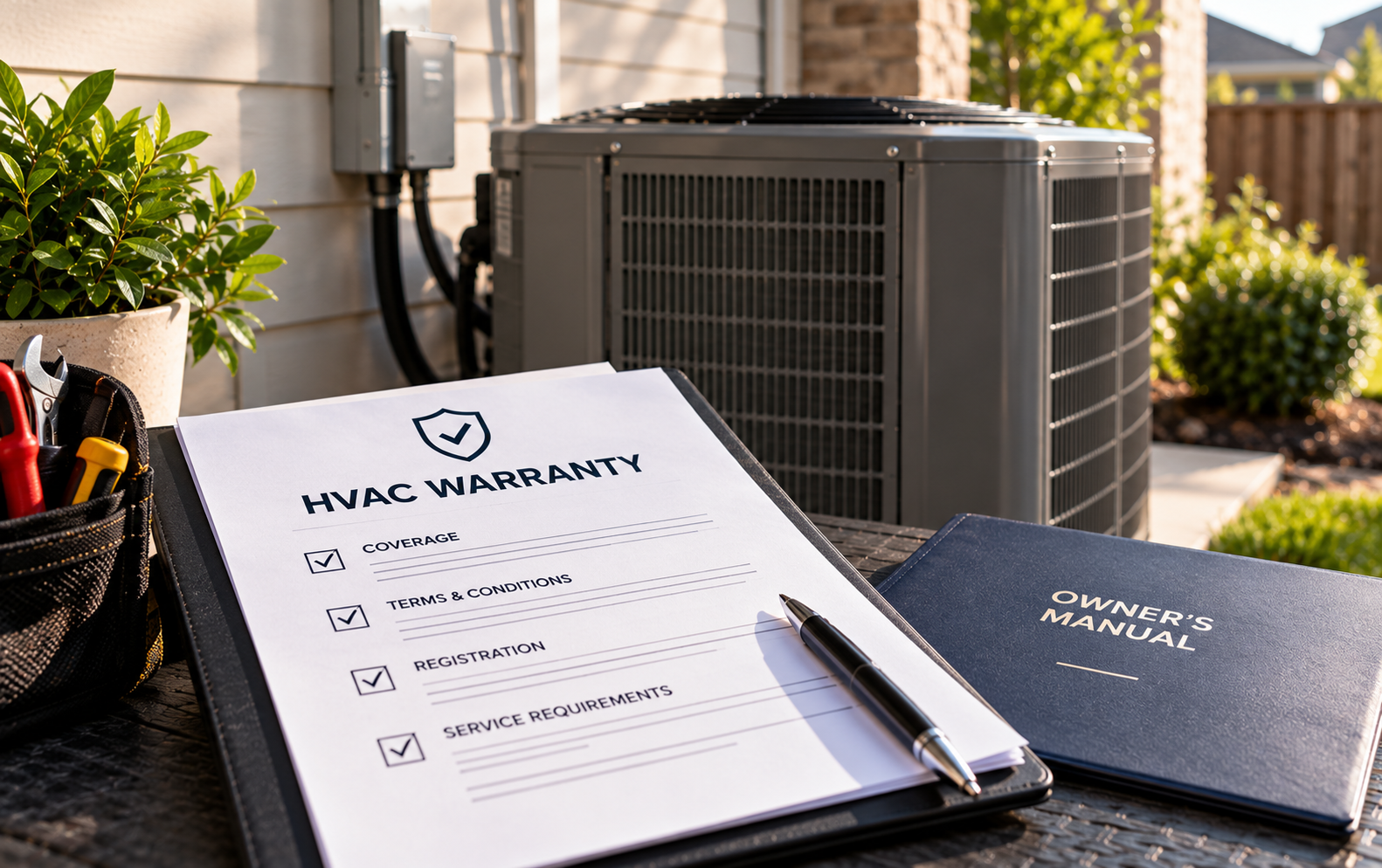
Regular maintenance can help identify issues such as dirty filters, restricted airflow, condensate drainage problems, electrical component issues, and refrigerant-related concerns before they become larger problems.
If your AC is struggling during extreme heat, All Star A/C, Plumbing & Electrical provides HVAC services in Houston for homeowners who need professional inspection, maintenance, or repairs.
2. Extreme Heat Can Increase Electrical Demand
Your air conditioner is an electrical appliance, and extended cooling periods can increase the amount of electricity your home uses.
When thousands or millions of homes are cooling at the same time, electricity demand across the grid can also rise.
ERCOT’s 2026 peak demand records show how significant that demand can become. The grid operator recorded 91,134 MW on July 22, 2026.
Inside your home, increased electrical demand may simply appear as a higher utility bill. But homeowners should also watch for signs of an electrical problem.
These can include:
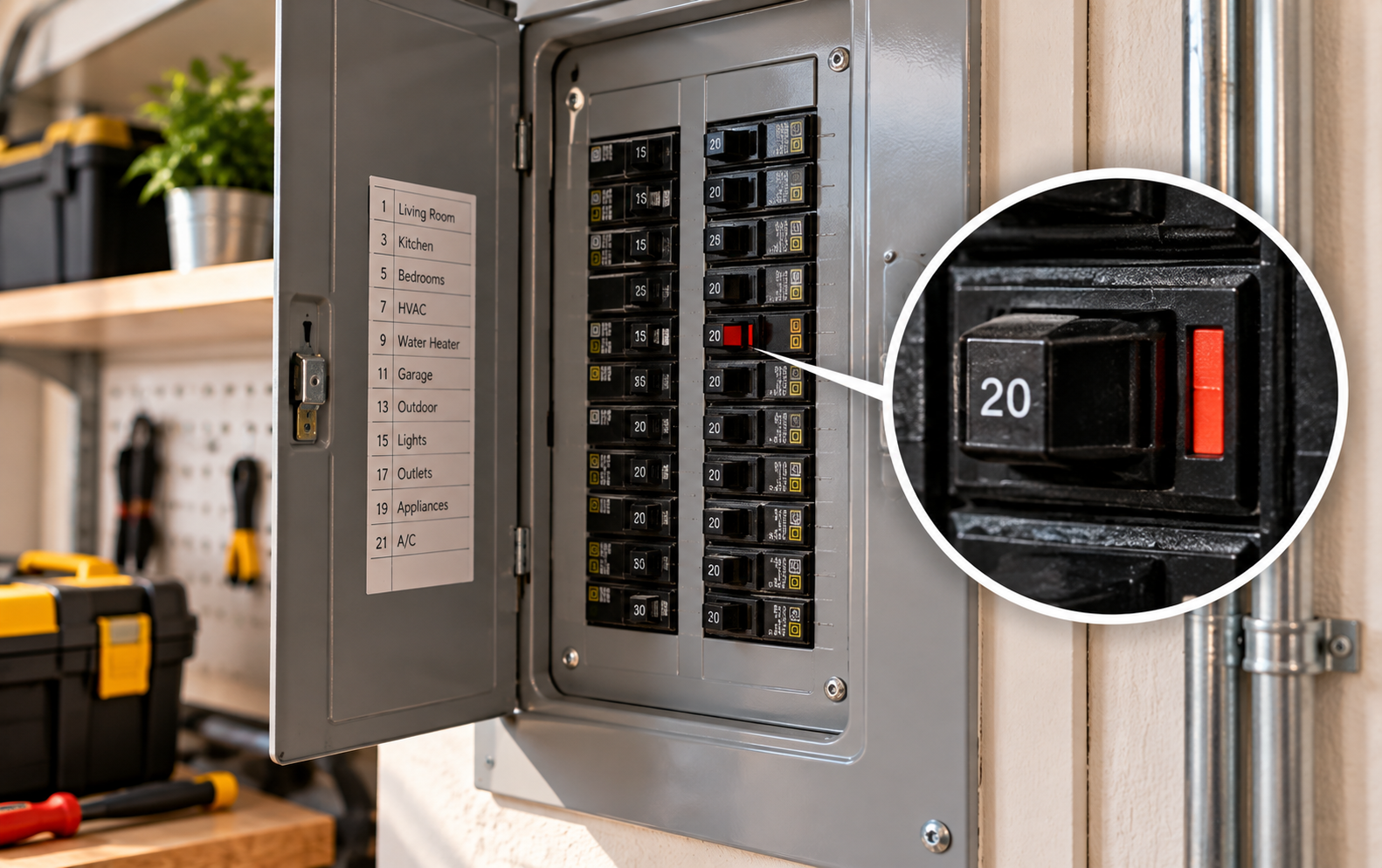
- Breakers that trip repeatedly
- Flickering or dimming lights
- Warm outlets or switches
- Burning odors near electrical equipment
- Buzzing or unusual sounds
- Circuits that frequently become overloaded
If a breaker trips once, it may have responded to an isolated overload. If it keeps happening, however, it should not simply be reset over and over without finding the cause.
During a Houston heat dome, your cooling system may be operating heavily, making it especially important to pay attention to unusual electrical behavior.
All Star A/C, Plumbing & Electrical also provides electrical services in Houston for homeowners who need electrical troubleshooting, repairs, or other professional assistance.
3. Your Plumbing System Can Have Its Own Summer Problems
It is easy to associate a Houston heat dome with air conditioning and forget about plumbing.
Extreme heat does not automatically cause plumbing failures. However, summer conditions can make existing plumbing problems easier to notice.
For example, homeowners may discover:
- Hidden water leaks
- Running toilets
- Poor water pressure
- Aging supply lines
- Clogged drains
- Water heater problems
- Outdoor plumbing issues
- Unexpected increases in water consumption
Summer can also mean increased outdoor water use for landscaping, pools, cleaning, and other activities.
If your water bill suddenly increases without an obvious reason, investigate before assuming the higher usage is simply caused by the weather.
A hidden leak can waste water continuously, while a small plumbing problem can eventually lead to more significant water damage.
All Star provides plumbing services in Houston for repairs, maintenance, and other plumbing needs.
4. HVAC Problems Can Become Moisture Problems
One of the most important connections between your HVAC system and the rest of your home involves moisture.
Air conditioning does more than cool your home. It also helps remove moisture from indoor air.
During a Houston heat dome, an AC system may run for long periods. If the condensate drain becomes obstructed or another drainage problem develops, water can accumulate around the equipment.
The U.S. Environmental Protection Agency’s guidance on mold, moisture, and homes recommends keeping indoor relative humidity below 60%, with 30%–50% being ideal when possible. The EPA also recommends keeping HVAC drip pans clean and drain lines unobstructed.
Watch for signs such as:
- Water around your indoor HVAC equipment
- Ceiling or wall discoloration
- Musty odors
- Condensation around vents or pipes
- Damp insulation
- Unusually high indoor humidity
- Repeated condensate drain problems
The key is to address the source of the moisture rather than simply cleaning up the water you can see.
5. Humidity Matters as Much as Temperature
Houston’s summer weather is challenging because homeowners are dealing with both heat and humidity.
A thermostat can tell you the temperature inside your home, but it does not necessarily tell you whether your indoor humidity is under control.
According to the EPA’s indoor air quality guidance, indoor relative humidity should ideally be maintained between 30% and 50%.
During periods of extreme heat, an HVAC system that is not operating properly may have difficulty keeping both temperature and humidity comfortable.
Signs that indoor moisture may be too high include:
- Condensation on windows
- Damp or clammy rooms
- Musty smells
- Moisture around air vents
- Persistent condensation on cold surfaces
- Visible water or dampness around HVAC equipment
If you notice these problems during a Houston heat dome, don’t automatically assume the issue is simply the weather.
Your HVAC system, drainage system, ductwork, insulation, and other components may need to be evaluated.
6. Severe Weather Can Add Another Layer of Risk
Extreme heat does not automatically mean flooding is coming. However, Houston homeowners should consider both sides of the region’s weather patterns.
Periods of extreme heat can be followed by thunderstorms, heavy rainfall, or other severe weather.
This is where mitigation becomes particularly important.
According to FEMA’s guidance on protecting building utility systems from flood damage, HVAC, electrical, plumbing, and other utility components can be vulnerable when exposed to floodwater.
FEMA’s guidance discusses mitigation approaches for vulnerable utility equipment, including elevation and other protective measures where appropriate.
Homeowners should therefore consider:
- Where HVAC equipment is located
- Whether electrical equipment could be exposed to water
- Whether plumbing leaks could go unnoticed
- Whether gutters and downspouts are working properly
- Whether water drains away from the home
- Whether vulnerable equipment needs additional protection
The goal is not to predict exactly what the next storm will do.
The goal is to reduce vulnerabilities before severe weather arrives.
The Domino Effect: How One Problem Can Lead to Another
This is where the idea behind the Houston heat dome becomes especially important.
Your home’s systems are not completely independent.
Consider a possible chain:
Extreme heat → longer AC operation → increased electrical demand → existing equipment weakness becomes noticeable → HVAC drainage problem → unwanted moisture → potential water damage
Again, this is not a guaranteed sequence.
Extreme heat does not directly cause every HVAC, plumbing, electrical, or moisture problem. But when several systems are under additional stress at the same time, existing weaknesses may become more noticeable.
That is why homeowners should pay attention to small warning signs.
A strange sound from the AC may be worth investigating.
A breaker that repeatedly trips should not be ignored.
An unexplained increase in water usage deserves attention.
And water around an HVAC unit should never simply be wiped up without determining where it came from.
What Houston Homeowners Can Do Before the Next Heat Wave
You don’t need to wait for another Houston heat dome to check your home’s major systems.
A few preventative steps can make it easier to identify problems early.
Check Your HVAC System
Make sure your air filter is appropriate for your system and replaced according to the manufacturer’s recommendations.
Keep the area around outdoor equipment clear of unnecessary debris and pay attention to unusual noises, poor cooling, or water around the indoor unit.
For professional preventative care, All Star offers HVAC maintenance in Houston.
Pay Attention to Electrical Warning Signs
Do not ignore repeated breaker trips, flickering lights, burning odors, or unusually warm electrical outlets and switches.
If an electrical problem keeps returning, have it evaluated instead of repeatedly resetting the breaker.
Look for Plumbing Leaks
Check under sinks, around toilets, near water heaters, and in other areas where leaks can develop.
If your water bill suddenly increases without a clear explanation, investigate the cause.
Monitor Indoor Humidity
A simple humidity meter can help you understand the moisture level inside your home.
The EPA recommends keeping indoor relative humidity below 60%, with 30%–50% being ideal when possible.
Keep HVAC Drainage Clear
The EPA specifically recommends keeping air-conditioning drip pans clean and drain lines unobstructed.
A clogged condensate drain can cause water to back up into areas around the HVAC equipment.
Address Water Problems Quickly
If a leak, spill, or storm causes water intrusion, act promptly.
The EPA recommends drying wet or damp materials within 24–48 hours when possible and addressing the source of the moisture.
Read the EPA’s complete guidance on mold, moisture, and your home for additional moisture-control recommendations.
Review Your Home’s Weather Vulnerabilities
Look around your property and identify areas where water could enter or collect.
Check gutters, downspouts, drainage paths, and the location of vulnerable equipment.
If your home has experienced water intrusion before, consider whether additional mitigation could reduce the risk of future damage.
Why Houston Homeowners Should Think Beyond the AC
When people hear Houston heat dome, they naturally think about high temperatures and air conditioning.
But the bigger issue is how extreme weather can affect the home as a whole.
Your HVAC system works to control temperature and humidity.
Your electrical system supplies the energy needed to operate the HVAC equipment and other appliances.
Your plumbing system manages water throughout the home.
Your home’s structure and drainage systems help keep unwanted water out.
When these systems are maintained together, homeowners have a better chance of catching problems early.
That is especially important in Houston, where homeowners may experience extreme heat, high humidity, heavy rainfall, and severe storms during the same season.
Protect Your Home Before Small Problems Become Bigger Ones
A Houston heat dome can put your home’s systems under additional stress, but homeowners don’t have to wait for something to fail before taking action.
Pay attention to changes in your AC’s performance.
Watch for electrical warning signs.
Investigate unexplained water usage.
Monitor indoor humidity.
Keep HVAC drainage clear.
And address water intrusion as quickly as possible.
These simple steps can help you stay ahead of problems and make your home more prepared for Houston’s demanding weather conditions.
Why Choose All Star A/C, Plumbing & Electrical?
Your home doesn’t operate as separate HVAC, plumbing, and electrical systems. When one system begins experiencing problems, it can sometimes affect how other parts of the home operate.
That’s why having a team familiar with multiple home systems can be valuable.
All Star A/C, Plumbing & Electrical has served Houston-area homeowners since 2010, providing HVAC, plumbing, and electrical services.
Whether your AC is struggling during extreme heat, you’re dealing with a plumbing issue, or you have an electrical concern, professional evaluation can help identify the problem and determine the appropriate next step.
Contact All Star A/C, Plumbing & Electrical or call (713)-842-9532 to request service.
Frequently Asked Questions About a Houston Heat Dome
What is a Houston heat dome?
A Houston heat dome refers to a period of persistent high pressure that can contribute to prolonged hot conditions over Houston and surrounding areas. These conditions can result in extended periods of extreme heat.
Can a Houston heat dome damage my AC?
A Houston heat dome does not automatically damage an air conditioner. However, extreme temperatures can require an AC system to operate for longer periods. If the system already has an underlying problem, extended operation can make the issue more noticeable.
Why is my AC running constantly during extreme heat?
During very hot weather, longer AC run times can be normal. However, if your system cannot maintain your thermostat setting, produces unusual noises, blows insufficiently cool air, or develops water around the indoor unit, it may need professional attention.
Can extreme heat affect my home’s electrical system?
Extreme heat can increase cooling demand and electricity consumption. At the Texas grid level, ERCOT recorded significant peak demand during 2026, including 91,134 MW on July 22. Individual homes may experience higher electricity use as cooling systems operate more frequently.
Can HVAC problems cause water damage?
Certain HVAC problems, particularly condensate drainage issues, can result in water accumulating around indoor equipment. If you notice water near your AC system, determine the source rather than simply cleaning up the visible water.
What humidity level should I maintain inside my Houston home?
The EPA recommends keeping indoor relative humidity below 60%, with 30%–50% being ideal when possible.
What should I check before another major heat wave?
Check your HVAC system, air filter, condensate drainage, electrical warning signs, plumbing fixtures, water usage, and indoor humidity. It is also useful to inspect gutters and drainage around your property.
Does a Houston heat dome mean flooding is likely?
No. Extreme heat does not automatically mean flooding will occur. However, Houston homeowners should prepare for both extreme heat and the possibility of severe storms and heavy rainfall during the summer season.
Final Thoughts
A Houston heat dome can do more than make your home uncomfortable.
Extended extreme heat can increase HVAC operating time, raise electricity demand, expose existing plumbing or electrical issues, and make indoor moisture control especially important.
The best strategy is preparation.
Maintain your HVAC system. Pay attention to electrical warning signs. Watch your water usage. Keep indoor humidity under control. Address leaks quickly. And consider mitigation measures that can reduce your home’s vulnerability to severe weather.
Your home works as a connected system, and taking care of those systems before a major problem develops can make a significant difference.
If your HVAC, plumbing, electrical, or other home systems need professional attention, contact All Star A/C, Plumbing & Electrical at (713)-842-9532.
Request service from All Star A/C, Plumbing & Electrical.