
Hidden home system problems Texas homeowners face can involve more than one part of the house, especially when moisture, electrical components, and HVAC equipment are located near one another. Hidden home system problems Texas homeowners experience can be difficult to identify because the first warning sign does not always reveal the real cause. A water leak might affect electrical components. A clogged air conditioner drain can lead to moisture damage. An electrical issue can interrupt HVAC operation and leave a home without reliable heating or cooling.
In Texas, heat, humidity, heavy rain, and frequent air conditioner use can put different parts of a home under pressure. Although many household problems begin in one system, the effects can sometimes extend to another.
Understanding how HVAC, plumbing, and electrical systems interact can help you recognize warning signs early, avoid unsafe DIY repairs, and determine when professional service is necessary. Also. Understanding hidden home system problems Texas residents may encounter can help homeowners recognize warning signs and arrange the right professional inspection.
1. Hidden Home System Problems Texas Homeowners Should Recognize
Your home’s major systems do not operate in complete isolation. HVAC equipment uses electricity and produces condensate during cooling. Plumbing systems carry water through walls, ceilings, and utility areas. Electrical wiring and components may be located near pipes, appliances, and HVAC equipment. Some hidden home system problems Texas homeowners notice first appear as water stains, recurring breaker trips, or unexpected HVAC performance changes.
When one system develops a problem, it can sometimes affect the performance or safety of another.
For example:
- A blocked air conditioner condensate drain may cause water to collect near ceilings, walls, or equipment.
- A leaking plumbing pipe may allow water to reach nearby wiring, outlets, or other electrical components.
- An electrical fault may interrupt power to an HVAC system, water heater, or plumbing-related equipment.
- Excess indoor humidity can contribute to condensation and moisture damage if the source is not addressed.
These examples do not mean every symptom has a shared cause. They show why it is important to look at the entire situation rather than assuming the first visible problem tells the whole story.
Recognizing hidden home system problems in Texas early can help homeowners arrange the appropriate inspection before additional damage occurs.
2. Hidden Home System Problems Texas: HVAC and Plumbing Issues
Air conditioning is essential for comfort in Houston and surrounding communities, especially during hot and humid weather. But when an HVAC system develops a drainage or moisture problem, the effects may extend beyond cooling performance. When investigating hidden home system problems Texas homes may experience, checking the source of moisture is important before deciding which repair is needed.
A Clogged AC Condensate Drain
During normal cooling, an air conditioner removes moisture from indoor air. That moisture collects in a drain pan and is typically carried away through a condensate drain line.
If the drain becomes clogged, water may back up and overflow. Depending on the equipment and installation, this can lead to water around the indoor unit, ceiling stains, damp materials, or damage to nearby finishes.
If you notice water near your indoor HVAC equipment, turn the system off if you can do so safely and arrange an inspection. Do not open electrical compartments or touch equipment that may be wet.
Poor Humidity Control
An air conditioner does more than lower the temperature. It also removes moisture from indoor air as part of the cooling process.
If your home feels unusually damp despite the AC running, possible causes may include an HVAC performance issue, inadequate airflow, an improperly sized system, or another source of moisture. A plumbing leak may also contribute to excess indoor humidity.
Persistent moisture can damage building materials and create conditions that support mold growth. The U.S. Environmental Protection Agency recommends repairing leaks, correcting moisture sources, and keeping air conditioning drain pans and lines clear. See the EPA’s guide to mold, moisture, and your home.
Water Around HVAC Equipment
Water near an air handler, furnace, or other HVAC equipment should not automatically be dismissed as ordinary condensation.
It could be related to a clogged drain, a damaged drain pan, a condensate pump problem, or another issue. The source needs to be identified before repairs are selected.
If water is near electrical components, keep away from the area and do not touch the equipment. A qualified professional can determine which service is needed.
For cooling and drainage concerns, explore All Star’s HVAC services and HVAC maintenance.
3. Hidden Home System Problems Texas: Plumbing and Electrical Risks
Hidden home system problems Texas properties experience can become more serious when a plumbing leak reaches nearby electrical equipment. A plumbing leak may appear to be a straightforward repair, but its location can make it more complicated.
Pipes may run through walls, ceilings, cabinets, utility rooms, and spaces near electrical wiring or HVAC equipment. When water escapes from a pipe or fixture, it can affect materials and equipment in the surrounding area.
Leaks Near Outlets, Wiring, or the Electrical Panel
Water and electricity are a dangerous combination. A leak near an outlet, switch, electrical panel, or wiring can create a risk of electric shock, short circuits, and other hazards.
Warning signs may include:
- Water stains near an outlet or switch.
- Flickering lights after a leak develops.
- A breaker that trips unexpectedly.
- A burning smell, buzzing, or unusual electrical sounds near affected areas.
- Visible water around an electrical panel or electrical equipment.
These signs do not prove that a plumbing leak caused an electrical fault, but they warrant caution.
Do not touch wet outlets, switches, wiring, or electrical panels. Do not stand in water while attempting to shut off electricity. If there is smoke, fire, or active sparking, move away and contact emergency services.
Arrange appropriate plumbing and electrical assessments before the affected area is used normally again.
Plumbing Leaks Near HVAC Equipment
A leaking water supply line, drainpipe, or plumbing fixture may affect an indoor HVAC unit or the area around it. In some cases, the leak may be mistaken for an air conditioner drainage problem.
The distinction matters because clearing an AC drain will not fix a leaking plumbing pipe.
If water keeps returning after the apparent source has been addressed, or if you cannot identify where it originates, a professional inspection can help determine whether the issue involves plumbing, HVAC drainage, or both.
For suspected pipe or fixture leaks, visit All Star’s plumbing services page.
4. Electrical Problems That Can Affect HVAC and Plumbing Equipment
Electrical faults can contribute to hidden home system problems Texas homeowners may mistake for ordinary HVAC or plumbing failures. Electrical issues can also create problems that appear to involve other home systems.
Air conditioners, heat pumps, water heaters, sump pumps, condensate pumps, and other equipment may depend on electrical power to operate. If a circuit, connection, control, or component develops a fault, the connected equipment may stop working properly.
A Circuit Breaker That Keeps Tripping
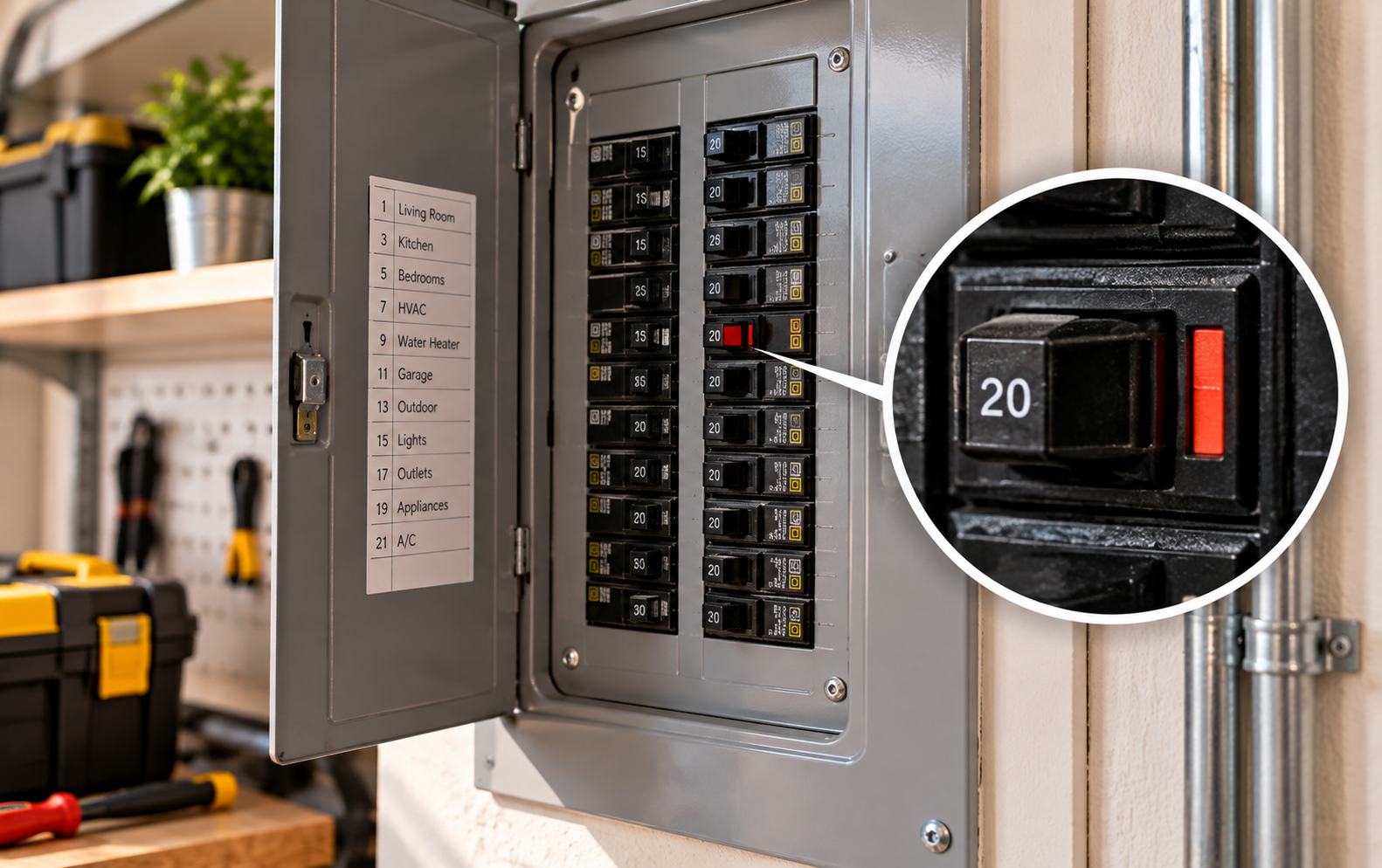
A circuit breaker is designed to interrupt power under certain unsafe electrical conditions. Repeated trips may indicate an overloaded circuit, a faulty appliance, damaged wiring, or another problem that requires investigation.
If the breaker trips when your HVAC system starts, do not assume the air conditioner itself is the only possible cause. The equipment and electrical circuit may both need to be evaluated.
Never keep resetting a breaker that repeatedly trips, bypass its protection, or replace it with a higher-rated breaker to prevent trips.
An HVAC System That Suddenly Stops Working
If your air conditioner stops operating, possible causes include thermostat issues, a tripped breaker, a failed electrical component, or a mechanical problem.
Check only what is safe and accessible, such as whether the thermostat has power and is set correctly. Do not open the electrical panel or HVAC equipment to investigate internal wiring.
If you notice a burning smell, buzzing, sparks, or a hot electrical panel, stay away from the affected equipment and seek professional assistance.
Plumbing Equipment That Loses Power
Some homes use electrically powered equipment for water movement, drainage, or hot water. If a pump or electrically operated component stops working, the resulting symptom may look like a plumbing failure even when the underlying issue is electrical.
For instance, a condensate pump that loses power may prevent collected air conditioner moisture from being removed as intended. A pump failure can also have a mechanical or drainage-related cause.
The right approach is to identify why the equipment stopped working rather than replacing parts based on symptoms alone.
For electrical concerns, learn more about All Star’s electrical services.
5. 7 Signs of Hidden Home System Problems in Texas
Hidden home system problems in Texas do not always appear as obvious equipment failures. Sometimes, several small warning signs occur around the same time. Recognizing these warning signs can help homeowners investigate hidden home system problems that Texas properties may develop before more damage occurs.
Watch for these seven patterns.
1. Water Stains Near HVAC Equipment
Ceiling discoloration, damp drywall, or water near an indoor air handler may indicate a condensate drainage problem or a separate leak. The source should be confirmed before repairs begin.
2. A Musty Smell That Keeps Returning
A persistent musty odor may indicate ongoing moisture, including a plumbing leak, condensation, or water intrusion. Odor alone cannot identify the source, so inspect for visible moisture and arrange professional help if the cause remains unclear.
3. Breakers Tripping Around the Same Time as a Leak
If electrical problems appear alongside a plumbing leak, treat the situation cautiously. Water may be affecting nearby electrical components, or the issues may be unrelated. Do not touch wet electrical equipment or repeatedly reset a breaker.
4. An AC System That Runs but Does Not Control Humidity
If your home remains damp while the air conditioner operates, the issue may involve system performance, airflow, equipment sizing, or an additional moisture source. A professional evaluation can help distinguish between these possibilities.
5. Unusual Water or Power Problems in the Same Area
A utility room containing plumbing pipes, a water heater, and HVAC equipment can have several potential sources of trouble. Water around equipment combined with power interruptions deserves careful assessment.
6. Repeated Repairs Without a Lasting Solution
If the same symptom keeps returning after a repair, the original cause may not have been fully identified. There may also be a separate issue contributing to the problem.
Ask the service provider what was found, what was repaired, and whether further inspection is recommended.
7. Multiple Systems Behaving Unusually at Once
An air conditioner that stops working, a plumbing leak, and flickering lights may seem connected, but the timing alone does not prove a common cause.
When several systems show symptoms at once, share the complete timeline with the appropriate professionals. That information can help them identify hazards and coordinate the necessary inspections.
6. How to Address Hidden Home System Problems Texas Homes May Have
When multiple systems appear to be affected, safety comes before diagnosis. Also, when hidden home system problems Texas homeowners encounter affect multiple systems, safety should come before troubleshooting or repairs.
Follow these steps to reduce the risk of additional damage.
Step 1: Look for Immediate Hazards
From a safe distance, look for smoke, flames, sparks, active water leaks, ceiling sagging, or water near electrical equipment.
If there is an immediate fire or electrical emergency, move away and contact emergency services.
Step 2: Avoid Wet Electrical Equipment
Never touch an electrical panel, outlet, switch, or appliance that is wet or surrounded by water. Do not attempt to operate a breaker while standing in water.
If you cannot safely isolate the hazard, stay clear and contact qualified professionals.
Step 3: Stop Using Suspected Faulty Equipment
If an appliance or HVAC system is making unusual electrical sounds, producing a burning odor, or showing signs of damage, do not continue operating it.
If it is safe to do so without approaching the hazard, stop using the equipment and arrange an inspection.
Step 4: Document the Symptoms
Note when the issue began, where water appeared, whether power was interrupted, and which equipment was operating.
Photographs may help document visible damage, but do not enter wet or unsafe areas to take them.
Step 5: Arrange the Appropriate Professional Inspections
A plumbing professional can investigate leaks and drainage problems. An HVAC professional can evaluate cooling, airflow, condensate drainage, and equipment performance. A qualified electrician can assess electrical faults and affected components.
If the systems appear to be interacting, explain all the symptoms when you schedule service. This helps the professionals determine whether multiple trades need to be involved.
7. How Regular Home Maintenance Can Help Identify Hidden Problems
Routine maintenance does not prevent every failure, but it can help identify certain developing issues before they become more disruptive. Regular inspections can help identify some hidden home system problems Texas homeowners might otherwise overlook.
HVAC Maintenance
A professional HVAC maintenance visit may include checking the condensate drain, inspecting accessible electrical connections, evaluating system operation, and identifying visible signs of drainage or performance concerns.
Homeowners should also pay attention to unusual water around the indoor unit and changes in cooling or humidity control.
Learn more about All Star’s HVAC maintenance services.
Plumbing Maintenance
Address dripping fixtures, slow drains, visible pipe leaks, and water stains promptly. A small leak can continue damaging surrounding materials if the source is left unresolved.
If water appears in an unexpected location, do not assume it is coming from the nearest visible pipe or appliance.
Explore All Star’s plumbing maintenance services.
Electrical Inspections
Electrical warning signs should never be ignored. Frequent breaker trips, flickering lights, discolored outlets, unusual buzzing, or burning odors may indicate an electrical problem.
The U.S. Consumer Product Safety Commission identifies these types of symptoms as potential home wiring hazards. Review its Guide to Home Wiring Hazards.
Do not attempt panel repairs or internal wiring work yourself. Arrange an inspection by a qualified electrician.
Respond to Moisture Quickly
If a plumbing or HVAC problem causes water to enter the home, address the source and begin safe drying as soon as possible. The EPA notes that drying wet materials within 24–48 hours can help reduce the likelihood of mold growth in many circumstances.
However, do not attempt cleanup where water may have contacted live electrical equipment or where structural damage makes the area unsafe.
8. Why a Whole-Home Perspective Matters in Houston
Houston-area homes face a combination of hot weather, high humidity, heavy rainfall, and frequent cooling demand. These conditions make it especially important to pay attention to moisture, drainage, cooling performance, and electrical safety.
A clogged AC drain, a plumbing leak, and an electrical fault are different problems that require different solutions. Yet their effects may overlap when equipment and building materials share the same space.
For example, a leak near an indoor air handler may require both plumbing and HVAC evaluation. If water reaches electrical components, an electrician may also need to inspect the affected area before the equipment is used again.
That does not mean every home problem requires three separate service calls. The goal is to identify the actual source, understand which systems have been affected, and complete the necessary repairs safely.
All Star A/C, Plumbing & Electrical serves homeowners in Houston and surrounding communities, including Cypress, Spring, Tomball, The Woodlands, Katy, Willowbrook, and Jersey Village.
If you notice recurring moisture, unusual cooling problems, plumbing leaks, or electrical warning signs, contact a qualified professional rather than assuming the issues are unrelated.
Frequently Asked Questions
What are common hidden home system problems in Texas?
Common concerns include clogged AC condensate drains, plumbing leaks inside walls, persistent indoor moisture, electrical faults, and equipment that stops working because of a power or component problem. The cause should be confirmed through an appropriate inspection.
Can an HVAC problem cause water damage in my home?
Yes. A blocked condensate drain, damaged drain pan, or other drainage issue can allow water to collect around HVAC equipment. Depending on the location, that water may damage ceilings, walls, or nearby materials.
Can a plumbing leak cause electrical problems?
It can. Water reaching wiring, outlets, switches, or electrical equipment can create serious safety hazards. Keep away from wet electrical components and arrange professional assistance.
Why does my air conditioner stop working when a breaker trips?
A tripped breaker interrupts power to the circuit it protects. The cause may be an overload, faulty equipment, damaged wiring, or another electrical problem. Do not repeatedly reset the breaker; arrange an inspection if the trip recurs.
Should I call a plumber, HVAC technician, or electrician first?
Choose based on the most immediate hazard. If there is smoke, fire, active sparking, or water around electrical equipment, stay clear and contact emergency services when appropriate. Otherwise, explain all symptoms when requesting service so the correct professional or combination of professionals can assess the situation.
How can I prevent overlapping home system problems?
Schedule appropriate HVAC maintenance, address plumbing leaks promptly, pay attention to electrical warning signs, and investigate recurring moisture or equipment problems. Maintenance helps identify some issues early, but it cannot guarantee that every failure will be prevented.
Protect Your Home by Addressing Problems Early
Hidden home system problems Texas homeowners encounter can be difficult to diagnose because the first visible symptom may not reveal the underlying cause. HVAC drainage issues, plumbing leaks, and electrical faults can sometimes affect the same area and require coordinated attention.
Pay attention to recurring water stains, musty odors, cooling problems, breaker trips, and unusual electrical sounds. Avoid unsafe DIY troubleshooting, particularly when water and electricity may be involved. Addressing hidden home system problems Texas homeowners discover early can help clarify the cause and prevent avoidable delays in getting repairs.
All Star A/C, Plumbing & Electrical helps homeowners in Houston and surrounding communities address HVAC, plumbing, and electrical concerns.
Call 713-842-9532 or visit All Star A/C, Plumbing & Electrical to learn more about our services.
Helpful resources: