
Have you ever stepped into your shower on a hot Houston morning, only to find that the water isn’t quite as hot as it used to be? Or maybe you’ve noticed your energy bills creeping up even though your daily routines haven’t changed. For homeowners in Houston, TX, these subtle signals can point to one of the most important appliances in your home needing attention: your water heater. With Houston’s warm, humid summers and the occasional cold snap in winter, having a reliable water heater is essential to keeping your family comfortable all year round.
In this guide, we’ll explore the signs that indicate it may be time for a water heater replacement, explain why addressing issues promptly matters, and give you practical advice on what steps to take next.
Why Water Heater Performance Matters in Houston
Water heaters often work quietly in the background, but their role is crucial. In Houston, where humidity levels can make hot showers a comfort necessity, a failing water heater can quickly turn into a daily inconvenience. Beyond comfort, water heaters also impact energy efficiency, utility bills, and the longevity of your home’s plumbing system.
Neglecting signs of wear can lead to leaks, water damage, or even complete appliance failure. That’s why recognizing problems early is key to avoiding costly repairs and keeping your home running smoothly.
How Long Should a Water Heater Last?
The average water heater typically lasts between 8 and 12 years, depending on its type and maintenance history. Tankless water heaters can last up to 20 years, while traditional tank models tend to have shorter lifespans. If your unit is approaching the 10-year mark or older, it’s wise to start monitoring its performance closely.
Age isn’t the only factor, though. Poor water quality, sediment buildup, and irregular maintenance can all shorten the life of your water heater. Even a relatively new unit can experience issues if it hasn’t been properly cared for.
Key Signs That Your Water Heater Needs Replacement
Recognizing the warning signs early can save homeowners from unexpected breakdowns and water damage. Here are the most common indicators that it may be time to consider a replacement:
1. Inconsistent Water Temperature
One of the first signs of a failing water heater is inconsistent water temperature. You might experience water that’s too hot, too cold, or fluctuates during showers or while running appliances. This usually indicates issues with the heating element, thermostat, or sediment buildup inside the tank.
2. Strange Noises
If your water heater has started making rumbling, popping, or banging noises, it’s a sign that sediment has accumulated at the bottom of the tank. When water heats over this sediment, it can create loud sounds and reduce the unit’s efficiency. Over time, excessive sediment can damage the tank, making replacement the best option.
3. Rusty Water or Corrosion
Discolored or rusty water coming from your taps is a red flag. Rust in your water heater can indicate internal corrosion, which weakens the tank and increases the risk of leaks. If you notice corrosion around the tank or its pipes, it’s often safer to replace the unit rather than attempt repairs.
4. Leaks Around the Water Heater
Any visible water pooling around your water heater is a serious warning sign. Leaks can result from corrosion, a faulty pressure relief valve, or cracks in the tank. Ignoring leaks can lead to significant water damage, mold growth, and higher repair costs.
5. Reduced Hot Water Supply
If your hot water runs out faster than it used to or you notice decreased water pressure, it may mean your water heater is struggling to meet demand. This could be caused by sediment buildup, aging components, or a tank that is too small for your household’s needs.
6. Frequent Repairs
While occasional maintenance is normal, repeated repair needs are a sign that your water heater may be reaching the end of its life. Investing in a new unit can save you both money and stress over ongoing issues.
Factors That Affect Water Heater Longevity
Several factors can influence how long your water heater lasts:
-
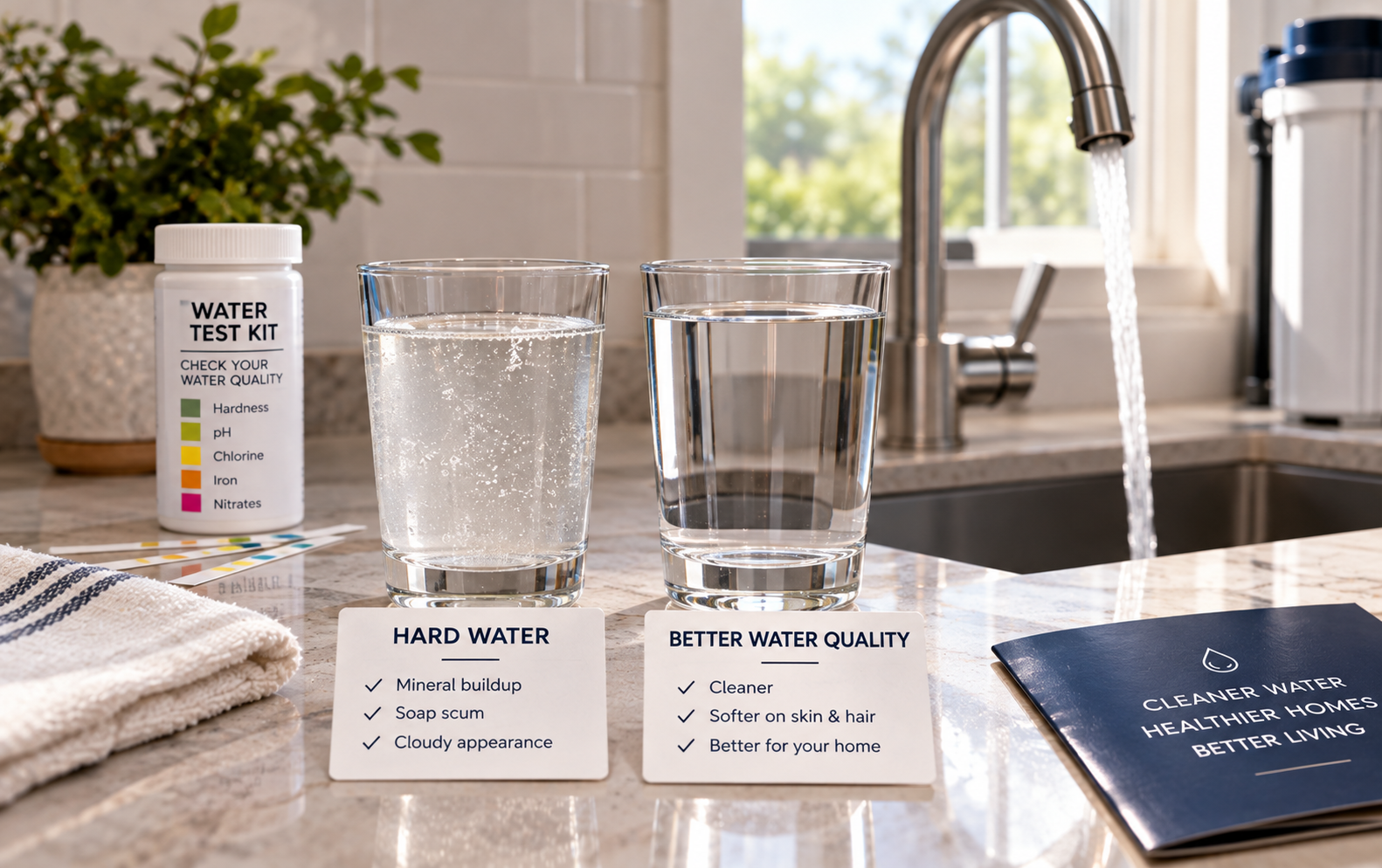
Water Quality: Hard water, common in Houston, causes mineral buildup that damages heating elements and the tank over time.
-
Maintenance: Regular flushing and inspection help prevent sediment buildup and extend the lifespan of your water heater.
-
Usage: Larger households or homes with high hot water demand can wear out units faster than smaller households.
-
Installation: Proper installation by licensed professionals ensures optimal performance and safety.
Water Heater Replacement Options for Houston Homeowners
When it comes to replacing your water heater, there are a few options to consider:
Traditional Tank Water Heaters
These are the most common type of water heater. They store hot water in a tank and maintain it at a set temperature. Modern tanks come with improved insulation and energy efficiency, making them a reliable choice for many households.
Pros:
-
Simple design and easy to install
-
Lower upfront cost
-
Consistent hot water supply
Cons:
-
Limited hot water capacity
-
Takes up more space
-
Slightly lower energy efficiency than tankless units
Tankless Water Heaters
Tankless models heat water on demand, which can improve energy efficiency and provide an endless supply of hot water. They are more compact and can be installed in smaller spaces.
Pros:
-
Energy-efficient
-
Space-saving design
-
Continuous hot water
Cons:
-
Higher upfront cost
-
Installation can be more complex
-
May require upgrades to home’s electrical or gas system
Hybrid Water Heaters
Hybrid water heaters combine a traditional tank with a tankless heating element. They are designed for energy efficiency while still providing ample hot water storage.
Pros:
-
Balanced energy efficiency
-
Adequate hot water supply for larger households
-
Reduced energy costs over time
Cons:
-
Higher initial investment
-
More complex technology may require specialized maintenance
Steps to Take Before Replacing Your Water Heater
Before committing to a replacement, homeowners should follow a few practical steps:
-
Evaluate the Age and Condition: Determine the age of your water heater and assess visible signs of wear or damage.
-
Check for Leaks and Corrosion: Inspect around the base and connections for any signs of leaking water or rust.
-
Assess Household Hot Water Needs: Consider whether your current unit meets your family’s daily demands.
-
Consult a Licensed Professional: A professional plumber can inspect your system, recommend the best type of water heater, and ensure safe installation.
Benefits of a Professional Water Heater Replacement
Replacing a water heater isn’t just about installing a new tank. Professional installation provides several important advantages:
-
Safety: Handling gas lines, electrical connections, and pressurized tanks can be dangerous if not done correctly.
-
Efficiency: Proper installation ensures your water heater operates at maximum efficiency, lowering energy bills.
-
Longevity: A professional setup can extend the lifespan of your new water heater.
-
Peace of Mind: You know your system is compliant with local codes and that any warranty coverage is valid.
Preventive Maintenance Tips for Houston Homeowners
Even with a new water heater, routine maintenance is key to avoiding problems and extending its lifespan:
-
Flush the Tank Annually: Removes sediment and prevents noise or reduced efficiency.
-
Inspect the Anode Rod: The anode rod protects against corrosion and should be checked every few years.
-
Test the Pressure Relief Valve: Ensures the unit can safely release pressure if necessary.
-
Monitor for Leaks or Drips: Catching small leaks early prevents bigger issues.
By staying proactive, homeowners can avoid unexpected breakdowns and ensure their water heater provides consistent performance year-round.
How Houston’s Climate Impacts Your Water Heater
Houston’s climate plays a unique role in water heater performance. High humidity can contribute to corrosion and rust, while hard water in the region accelerates sediment buildup. During hotter months, air conditioning systems run more frequently, and water heaters may experience increased demand from daily showers and laundry. By understanding these local conditions, homeowners can better anticipate when maintenance or replacement is necessary.
Energy Efficiency and Cost Considerations
Upgrading to a newer, energy-efficient water heater can have financial and environmental benefits. Modern units often include improved insulation, programmable thermostats, and energy-saving features that reduce utility costs. Over time, these savings can offset the initial investment and provide a more sustainable home system.
For Water Heater Replacement in Houston, Contact All Star A/C, Plumbing & Electrical Today
If you’ve noticed any of the signs mentioned above, it may be time to consider a water heater replacement. At All Star A/C, Plumbing & Electrical, we provide expert water heater installation, maintenance, and replacement services for homeowners across Houston, TX. Our licensed professionals ensure your new water heater operates safely, efficiently, and reliably, giving you peace of mind and uninterrupted comfort in your home. Don’t wait until a small issue turns into a major problem. Contact us today to schedule a consultation and take the first step toward a dependable, long-lasting hot water system.