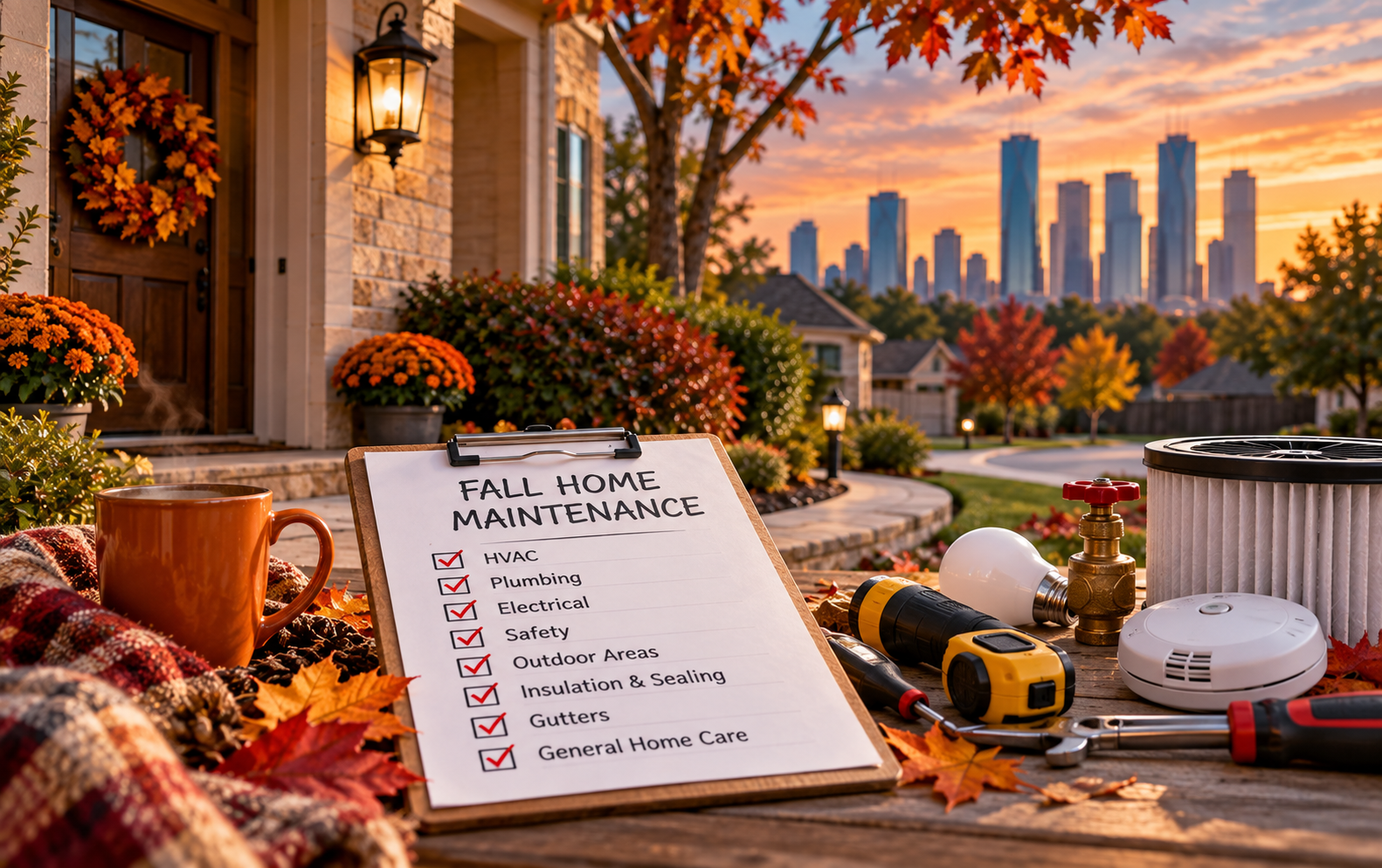

As the leaves start to change and the temperatures in Cypress, TX begin to dip, homeowners often start thinking about keeping their homes warm and cozy. Have you thought about how well your heat pump is ready for the cooler months ahead? A heat pump is a versatile system that provides both heating and cooling, but without proper preparation, its efficiency can drop, and your comfort can be compromised. Getting your heat pump ready now ensures you won’t be scrambling when the first chilly mornings arrive.
In this guide, we’ll break down everything you need to know about preparing your heat pump for the cooler season, including maintenance tips, efficiency hacks, and when to call in professional help.
Understanding Heat Pumps and How They Work in Cooler Weather
Before diving into maintenance steps, it’s helpful to understand how your heat pump works. Unlike traditional furnaces that generate heat, heat pumps transfer heat from the outside air into your home. This makes them energy-efficient for mild to moderately cold climates like Cypress, TX, where winter temperatures are usually not extreme.
However, as the weather gets colder, heat pumps work harder to extract heat from the outdoor air. This is why a well-maintained system is critical to keep your home warm while avoiding high energy bills. According to the U.S. Department of Energy, properly maintained heat pumps can reduce heating costs by up to 30% compared to electric resistance heating systems.
Check Your Thermostat Settings
Your thermostat is the brain of your heating system, and ensuring it’s correctly set can make a big difference in comfort and efficiency. Here’s what you should do:
-
Switch to heating mode: If your system has a “cool” or “auto” mode, make sure to set it to “heat” as the temperatures drop.
-
Test programmable settings: For programmable thermostats, adjust the schedule to match your family’s routines. Lowering the temperature at night or when no one is home can save energy without sacrificing comfort.
-
Consider smart thermostats: Smart thermostats learn your preferences over time and can optimize heating cycles, helping your system run efficiently during cooler months.
Inspect and Clean Air Filters
Dirty air filters are one of the most common causes of reduced heat pump performance. Over time, dust, pet hair, and debris can block airflow, forcing your system to work harder and use more energy.
-
Frequency: Check your filters monthly during heavy use, and replace them at least every 90 days or as recommended by the manufacturer.
-
Filter types: High-efficiency pleated filters trap more particles and improve indoor air quality, but they may need more frequent replacement.
A clean filter ensures proper airflow, reduces strain on the system, and can even extend the life of your heat pump.
Inspect Outdoor Components
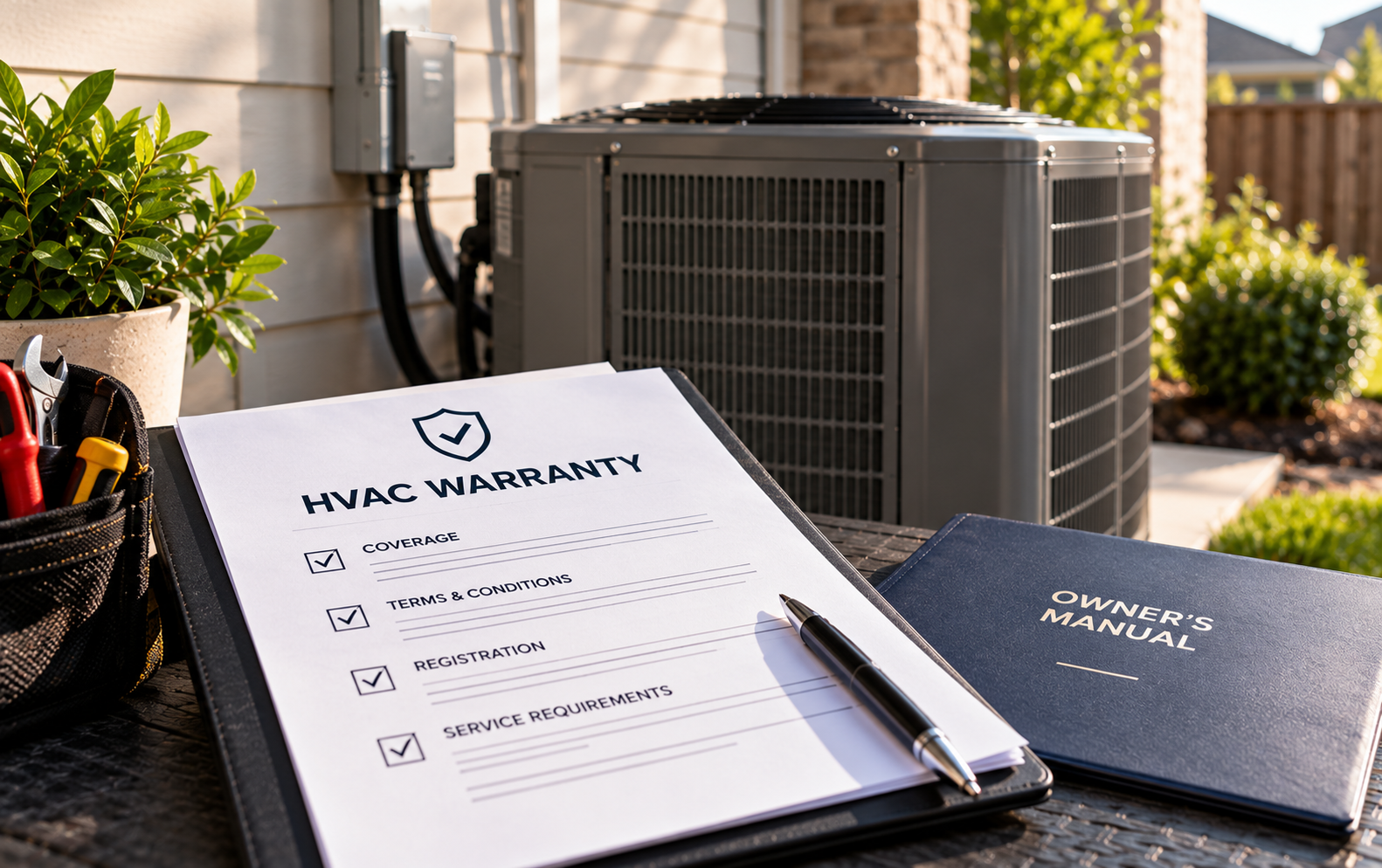
Your heat pump has important components outside that need attention before cooler weather hits. Exposure to dirt, leaves, and other debris can affect performance.
-
Clear debris: Remove leaves, grass, and other debris around the outdoor unit to ensure airflow isn’t restricted.
-
Check for damage: Look for bent fins or signs of rust, which can reduce efficiency. Straightening fins with a fin comb can help, but significant damage may require professional attention.
-
Maintain clearance: Keep at least two feet of clearance around the outdoor unit to allow proper airflow.
Check Refrigerant Levels
Heat pumps rely on refrigerant to transfer heat efficiently. Low refrigerant levels can cause the system to struggle, particularly in colder weather. Signs that refrigerant may be low include:
-
Reduced heating output
-
Longer run times
-
Higher energy bills
Refrigerant issues should always be handled by a licensed HVAC professional, as handling refrigerants requires proper tools and safety precautions.
Examine and Seal Ductwork
Even a perfectly maintained heat pump won’t perform efficiently if your home’s ductwork is leaking or poorly insulated. Leaky ducts can waste up to 30% of your heating energy, according to the Department of Energy.
-
Inspect for leaks: Check exposed ducts for holes or gaps.
-
Seal and insulate: Use duct mastic or foil tape to seal leaks, and add insulation to ducts in unheated areas like attics or crawl spaces.
-
Check airflow: Make sure vents are open and unblocked by furniture or rugs to maintain proper distribution of warm air.
Schedule Professional Maintenance
While there are plenty of tasks you can handle on your own, having a professional HVAC technician inspect and tune up your heat pump is one of the best ways to prevent issues before they start. A professional maintenance visit typically includes:
-
Checking electrical connections
-
Lubricating moving parts
-
Inspecting the heat exchanger and coils
-
Verifying system operation and efficiency
Professional maintenance not only improves performance but can also catch minor issues before they become costly repairs.
Test the System Before the Cold Sets In
Running your heat pump for a short period before you actually need it in full heating mode is a great way to spot potential problems. Here’s how to do it:
-
Switch the system to heating mode.
-
Let it run for 15–20 minutes and listen for unusual noises.
-
Check that all rooms reach the desired temperature.
-
Monitor for short cycling or uneven heating.
Testing your system early gives you time to address issues without being left in the cold during a sudden cold snap.
Consider Adding Supplemental Heating
Even though Cypress, TX winters are generally mild, occasional colder days can challenge your heat pump. Supplemental heating can provide extra comfort and help your system maintain efficiency. Options include:
-
Electric resistance heaters: Often built into heat pumps as backup heating.
-
Space heaters: Can be used in specific rooms for added warmth.
-
Programmable thermostat integration: Ensures supplemental heating is only used when necessary, saving energy.
Tips for Maintaining Efficiency Through the Season
Keeping your heat pump running efficiently can save energy and extend the life of your system. Consider these tips:
-
Keep doors and windows closed during heating to prevent heat loss.
-
Use ceiling fans on low reverse to circulate warm air evenly.
-
Monitor energy bills for spikes that could indicate efficiency issues.
-
Keep the thermostat at a consistent temperature rather than frequently adjusting it.
Small habits can make a significant difference in comfort and energy costs.
Recognize Warning Signs of Heat Pump Problems
Even with proper preparation, heat pumps can experience issues. Being aware of warning signs allows you to act quickly. Watch for:
-
Strange noises such as grinding or squealing
-
Inconsistent room temperatures
-
Increased energy bills without changes in usage
-
Ice buildup on the outdoor unit
If you notice any of these issues, it’s best to schedule a professional inspection immediately. Early intervention can prevent more serious damage and costly repairs.
Benefits of Preparing Your Heat Pump Early
Taking the time to prepare your heat pump for cooler weather provides multiple benefits:
-
Improved comfort: Your home stays evenly warm during colder days.
-
Energy efficiency: Proper maintenance helps reduce unnecessary energy consumption.
-
Longevity: Regular upkeep extends the life of your heat pump.
-
Peace of mind: Knowing your system is ready prevents unexpected breakdowns when you need heat most.
According to the U.S. Department of Energy, a well-maintained heat pump can last 15 years or more, making preparation and maintenance an investment in your home’s comfort and efficiency.
For Heating and Cooling Near Me in Cypress, TX, Contact All Star A/C, Plumbing & Electrical Today
Preparing your heat pump for cooler weather doesn’t have to be stressful. With the right steps—like checking your thermostat, cleaning filters, inspecting outdoor components, and scheduling professional maintenance—you can enjoy a warm and comfortable home all season long.
At All Star A/C, Plumbing & Electrical, we provide professional heating and cooling services for homeowners in Cypress, TX. Our experienced team can ensure your heat pump is ready for the cooler months and operating at peak efficiency. Contact us today to schedule a service appointment and keep your home comfortable no matter the weather.