
Is your water pressure lower than it used to be, or have you noticed rust-colored water coming from your taps? These might be subtle warning signs that your home’s plumbing system is aging and could need repiping. For homeowners in Cypress, TX, understanding the health of your pipes is essential, especially as the summer months bring higher water usage and warmer temperatures that can exacerbate plumbing issues. In this blog, we’ll dive into the effects of aging pipes, how they impact water pressure and quality, common warning signs, and what homeowners can do to protect their homes.
Why Cypress Homeowners Should Pay Attention to Their Pipes
Cypress, TX, experiences hot, humid summers that can put extra stress on home plumbing systems. High water usage for activities like watering lawns, filling pools, and running air conditioning units can highlight underlying issues in your plumbing. Older pipes, especially those made from outdated materials like galvanized steel or polybutylene, can degrade over time. Understanding the importance of a healthy plumbing system can save you money, avoid water damage, and ensure your family has access to safe, clean water.
What is Repiping and Why Does it Matter?
Repiping refers to the process of replacing your home’s existing pipes with new ones. Over time, pipes can corrode, leak, or become clogged, leading to low water pressure, discolored water, and even serious water damage. Repiping is not just a cosmetic upgrade; it’s a crucial investment in your home’s safety and functionality. By replacing aging pipes, homeowners can prevent future plumbing emergencies and maintain consistent water quality.
Common Pipe Materials and Their Lifespan
Different types of pipes have different life expectancies. Knowing the type of pipes in your home can help you determine when repiping might be necessary:
-
Galvanized Steel: Typically lasts 40-50 years but prone to corrosion and scaling inside the pipes.
-
Copper: Can last 50-70 years but may develop pinhole leaks over time.
-
PVC (Polyvinyl Chloride): Generally lasts 25-40 years and is resistant to corrosion.
-
PEX (Cross-linked Polyethylene): Flexible, durable, and can last 40-50 years.
If your home has older galvanized steel or polybutylene pipes, it may be time to consider repiping, especially if you notice leaks, water discoloration, or inconsistent water pressure.
How Aging Pipes Affect Water Pressure
One of the most noticeable signs of aging pipes is a drop in water pressure. Low water pressure can make daily tasks like showering, washing dishes, and laundry more frustrating. But what causes this decrease?
Corrosion and Mineral Buildup
Over time, metal pipes like galvanized steel and copper can develop corrosion or mineral deposits. This buildup narrows the internal diameter of the pipes, restricting water flow. Even a small reduction in pipe diameter can significantly decrease water pressure throughout your home. According to plumbing experts, mineral buildup can reduce water flow by up to 50% in some cases.
Leaks and Pipe Damage
Aging pipes are more prone to leaks, which can also contribute to low water pressure. Even a small, hidden leak can divert water away from faucets and appliances, resulting in inconsistent water flow. Undetected leaks can also cause structural damage, mold growth, and higher water bills.
Pressure Fluctuations During High Usage
Older pipes may struggle to maintain consistent pressure when multiple fixtures are used simultaneously. For example, running the washing machine while someone showers may cause water pressure to drop noticeably. Repiping with modern materials ensures stable water flow, even during peak usage.
How Aging Pipes Affect Water Quality
Water quality is another major concern when dealing with old pipes. Discolored water, strange odors, and unusual taste can all signal that your pipes are deteriorating. Here’s how aging pipes can compromise water quality:
Rust and Corrosion
Galvanized steel and older copper pipes can corrode over time. Rust particles may enter your water supply, causing discoloration ranging from yellow to reddish-brown. Rusty water not only looks unappealing but can also stain sinks, tubs, and clothing. Prolonged exposure to rust-contaminated water can also affect plumbing fixtures and appliances.
Contaminants and Sediment
Corroded or damaged pipes can allow sediment, bacteria, or other contaminants to enter your water supply. This can lead to health concerns, especially for children, the elderly, or anyone with a weakened immune system. Even if your municipal water supply meets safety standards, old pipes inside your home can compromise water quality.
Unpleasant Taste and Odor
Aging pipes can cause metallic or musty odors in tap water. These changes often indicate corrosion or biofilm buildup inside the pipes. Replacing old pipes with modern materials like PEX or copper can restore clean, fresh-tasting water throughout your home.
Common Warning Signs That You May Need Repiping
Not every plumbing issue requires full repiping, but several warning signs can indicate that your home’s pipes are nearing the end of their lifespan. Homeowners in Cypress, TX, should watch for the following:
-
Frequent leaks: Even small leaks that keep appearing in different areas of your home.
-
Discolored water: Yellow, brown, or reddish water from faucets or showers.
-
Low water pressure: Persistent drops in pressure, especially when multiple fixtures are used.
-
Noisy pipes: Banging, clanging, or hissing sounds during water use.
-
Corroded fixtures: Rust or buildup around faucets, valves, or pipe joints.
-
Multiple plumbing repairs: If you are constantly fixing leaks or replacing pipe sections, repiping may be more cost-effective in the long run.
The Risks of Delaying Repiping
Ignoring the warning signs of aging pipes can lead to more than just inconvenience. Homeowners who delay repiping may face:
-
Water Damage: Leaks or bursts can damage walls, floors, and personal belongings.
-
Mold and Mildew: Persistent moisture creates the perfect environment for mold growth, which can affect indoor air quality.
-
Higher Repair Costs: Frequent patchwork repairs can become more expensive than a full repiping job over time.
-
Health Risks: Contaminated water can pose health risks for your family.
Repiping before a major plumbing failure occurs helps prevent these problems and ensures your home’s plumbing system remains safe and reliable.
Benefits of Repiping Your Home in Cypress, TX
Investing in repiping offers several advantages for homeowners:
Improved Water Pressure
New pipes allow water to flow freely, providing consistent pressure at every faucet and fixture in your home.
Better Water Quality
Repiping eliminates corroded, leaky, or sediment-filled pipes, giving your family clean, safe water.
Fewer Repairs
Replacing old pipes reduces the risk of leaks and plumbing emergencies, saving money on constant repairs.
Increased Home Value
Modern plumbing is a major selling point for homes. Repiping can enhance your property value and attract potential buyers.
Energy Efficiency
New pipes reduce water waste, which can help lower your water and energy bills.
Repiping Process: What Homeowners Can Expect
Repiping may sound overwhelming, but professional plumbers follow a structured process to make it as smooth as possible:
Step 1: Inspection and Assessment
A licensed plumber inspects your existing pipes to identify material type, condition, and potential problem areas. This assessment helps determine whether full or partial repiping is necessary.
Step 2: Choosing Materials
Plumbers will recommend the best pipe material for your home, typically copper or PEX. Both options are durable, reliable, and suitable for Cypress homes.
Step 3: Planning the Work
A detailed plan is created to minimize disruption, including mapping out pipe routes and scheduling the work at convenient times.
Step 4: Pipe Replacement
The old pipes are carefully removed, and new pipes are installed. Professional plumbers ensure that all connections are secure and leak-free.
Step 5: Testing and Cleanup
After installation, the system is thoroughly tested to ensure proper water flow, pressure, and quality. The work area is cleaned up, leaving your home ready for normal use.
Step 6: Maintenance Tips
Your plumber may provide advice on maintaining your new plumbing system, such as checking for leaks, monitoring water pressure, and scheduling routine inspections.
How to Choose a Trusted Repiping Service in Cypress, TX
Selecting the right plumber is crucial for a successful repiping project. Here are some tips for homeowners:
-
Check Credentials: Ensure the company is licensed, insured, and experienced in repiping projects.
-
Read Reviews: Look for testimonials from local homeowners who have had similar work done.
-
Ask About Materials: Confirm they offer high-quality pipes like PEX or copper.
-
Get a Detailed Estimate: Understand the scope of work, timeline, and materials before committing.
-
Look for Warranty: A reputable company will offer guarantees on labor and materials.
Working with a professional ensures the job is done correctly, efficiently, and with minimal disruption to your home.
Maintaining Your Plumbing System After Repiping
Repiping is an investment in your home, and proper maintenance will help your new pipes last for decades. Homeowners can follow these tips:
-
Regular Inspections: Schedule annual plumbing inspections to detect potential issues early.
-
Avoid Harsh Chemicals: Limit the use of chemical drain cleaners, which can damage pipes.
-
Monitor Water Pressure: Keep an eye on water pressure and address any sudden changes.
-
Flush Water Heater: Periodically flush your water heater to prevent sediment buildup.
-
Protect Pipes from Temperature Changes: In Cypress, summer heat and occasional cold snaps can stress pipes, so ensure they are properly insulated where needed.
By staying proactive, homeowners can maximize the lifespan and performance of their plumbing system.
When Partial Repiping Might Be Enough
In some cases, homeowners may not need a full repipe. Partial repiping involves replacing only the sections of piping that are damaged or corroded. This option may be suitable for:
-
Homes with mixed pipe materials where only older pipes need replacement.
-
Localized leaks or low water pressure in specific areas.
-
Budget-conscious homeowners who want to address immediate issues without replacing every pipe.
A licensed plumber can evaluate whether partial repiping is appropriate or if a full replacement is a better long-term solution.
Repiping and Home Renovations
If you are planning a home renovation, repiping is a great time to upgrade your plumbing. Remodeling projects often require moving walls, adding bathrooms, or expanding kitchens, which may involve rerouting or replacing pipes. Coordinating repiping with renovation work ensures:
-
Reduced labor costs, since walls and floors are already exposed.
-
Modern plumbing that supports new fixtures and appliances.
-
Long-term reliability and reduced need for future repairs.
Planning repiping alongside renovations is an efficient way to improve your home’s plumbing while enhancing its overall value.
Common Questions About Repiping
How Long Does Repiping Take?
The duration depends on the size of your home, type of pipes, and extent of the work. For an average Cypress home, repiping can take anywhere from a few days to a week.
Will I Need to Turn Off My Water?
Yes. Water must be turned off during installation, but professional plumbers coordinate schedules to minimize disruption.
Is Repiping Worth the Cost?
Repiping is an investment in your home’s safety, water quality, and long-term plumbing reliability. While it may require upfront expense, it can prevent costly water damage and frequent repairs in the future.
Can I Stay in My Home During Repiping?
Yes. Most repiping projects allow homeowners to remain in their homes, though some areas may be temporarily restricted during work.
Signs That Require Immediate Repiping
Some issues indicate that your pipes need immediate attention rather than waiting for a scheduled replacement:
-
Major leaks that risk water damage
-
Continuous rusty or brown water
-
Severe drop in water pressure affecting daily use
-
Multiple pipe failures in different areas of the home
Addressing these issues promptly protects your home and prevents extensive damage.
How Cypress’s Water Quality Affects Aging Pipes
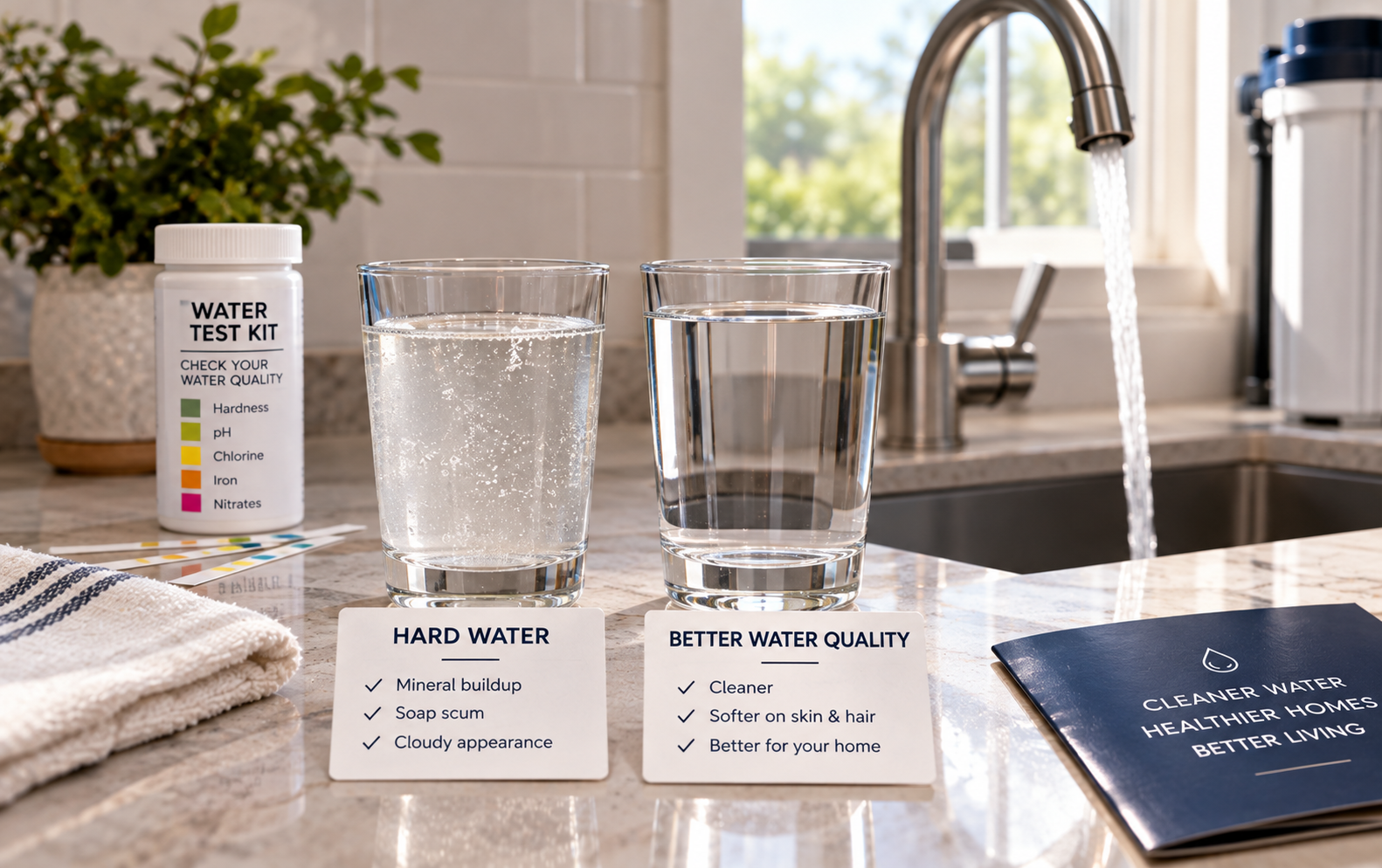
Cypress’s local water supply can influence how quickly pipes degrade. Hard water, which contains high levels of calcium and magnesium, can accelerate corrosion and mineral buildup in older pipes. Hard water can lead to:
-
Narrowed pipes reducing water flow
-
Stains on sinks, tubs, and appliances
-
More frequent plumbing repairs
Installing water softeners or choosing corrosion-resistant materials like PEX can help mitigate these issues and extend the life of your plumbing system.
Repiping as a Preventative Measure
Even if your pipes aren’t failing yet, repiping can be a proactive approach for homeowners:
-
Reduces the likelihood of sudden leaks or bursts
-
Improves water pressure and quality throughout the home
-
Ensures compliance with modern plumbing codes
-
Adds value and peace of mind for your family
Preventative repiping is especially beneficial for homes with older construction or outdated plumbing materials.
For Repiping Services in Cypress, TX, Contact All Star A/C, Plumbing & Electrical Today
If you’re noticing low water pressure, rusty water, or frequent leaks, it may be time to consider repiping your home. At All Star A/C, Plumbing & Electrical, we specialize in professional, reliable repiping services for homeowners in Cypress, TX. Our team assesses your plumbing system, recommends the best solutions, and performs repiping efficiently with minimal disruption. Whether you need full or partial repiping, we prioritize quality, safety, and customer satisfaction. Protect your home, improve your water quality, and enjoy consistent water pressure by contacting All Star A/C, Plumbing & Electrical for expert assistance today.