
Have you ever plugged something in and nothing happened? No power, no warning, just silence. As April arrives in Spring, TX, many homeowners start using their homes differently. The weather warms up, air conditioners kick on more often, garage doors open and close more frequently, and outdoor living spaces start getting attention. All of that adds extra demand to your electrical system. When an outlet suddenly stops working, it can feel like a small annoyance at first, but it is often a sign of a bigger electrical issue that should not be ignored.
Understanding why outlets stop working and knowing when to call a professional can help protect your home, your appliances, and your family’s safety. Below, we will walk through the most common reasons outlets fail, warning signs that point to needed electrical repair, and what homeowners in Spring, TX should do next.
Common Reasons Electrical Outlets Stop Working
Outlets rarely fail without a reason. In most cases, there is an underlying electrical problem that needs attention.
Tripped Circuit Breaker or Blown Fuse
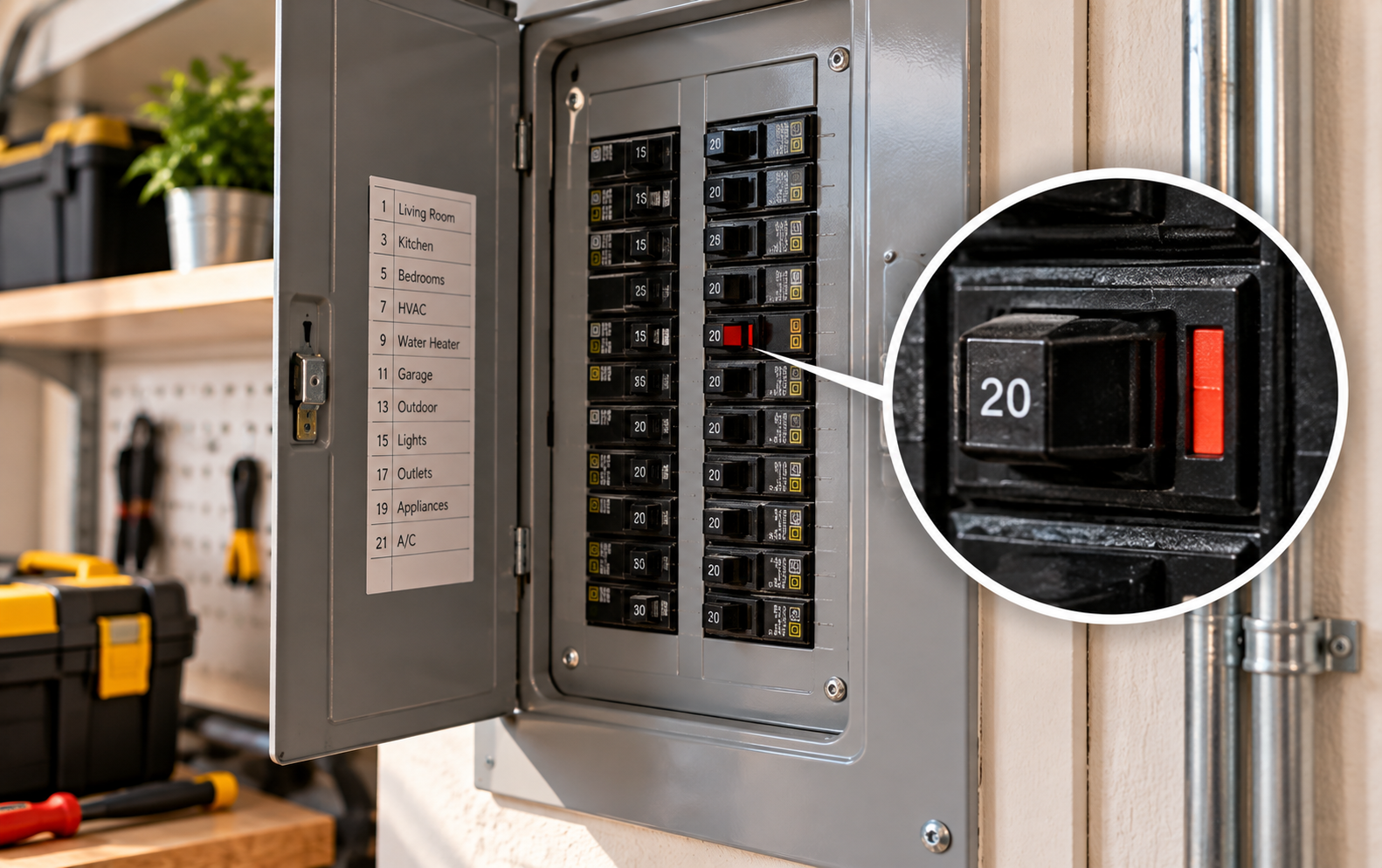
One of the most common reasons an outlet stops working is a tripped breaker. Modern homes rely on circuit breakers to protect wiring from overloads. If too many devices are running on the same circuit, the breaker will trip to prevent overheating.
According to the Electrical Safety Foundation International, overloaded circuits are one of the leading causes of residential electrical problems and house fires.
If resetting the breaker restores power, that is a good sign. However, if the breaker continues to trip, it usually means the circuit is overloaded or there is a wiring issue that needs professional attention.
GFCI Outlet Has Tripped
In many Spring, TX homes, outlets in kitchens, bathrooms, garages, laundry rooms, and outdoor areas are protected by GFCI outlets. These outlets are designed to shut off power when they detect moisture or an imbalance in current.
Sometimes a single tripped GFCI can shut down multiple outlets in the same area. Homeowners often do not realize that one outlet controls others nearby. If pressing the reset button does not restore power, there may be a wiring issue or a failing GFCI that needs replacement.
Loose or Damaged Wiring
Over time, wiring connections can loosen due to normal use, vibration, or aging materials. Loose wiring behind an outlet can cause intermittent power or complete failure.
The Consumer Product Safety Commission reports that electrical wiring issues are a major contributor to residential fires in the United States.
Loose wiring is not something homeowners should attempt to fix themselves. Even when the power is off, improper handling can be dangerous.
Worn-Out or Faulty Outlet
Outlets are not designed to last forever. Repeated plugging and unplugging can wear down internal components. When outlets become loose or stop gripping plugs properly, they can fail entirely.
A worn outlet may still look normal from the outside, but inside it may no longer make a safe electrical connection. This can increase the risk of sparks or overheating.
Warning Signs You Need Electrical Repair
Some outlet problems are obvious, but others show subtle signs before failing completely. Paying attention to these warning signs can help prevent more serious issues.
Outlets Feel Warm to the Touch
An outlet should never feel warm. Warmth often indicates a poor connection or overloaded circuit. Heat buildup behind the wall can damage wiring insulation and increase fire risk.
If you notice warmth, stop using the outlet and contact a professional electrician right away.
Burning Smells or Discoloration
A burning odor near an outlet or visible discoloration on the outlet cover is a serious red flag. This usually means wiring is overheating or arcing behind the wall.
The National Fire Protection Association states that electrical distribution systems are a leading cause of home fires.
Any burning smell should be treated as urgent and addressed by a licensed electrician.
Sparking When Plugging Something In
Occasional tiny sparks can happen, but frequent or large sparks are not normal. Sparking may indicate damaged wiring, moisture issues, or a failing outlet.
This is especially important in Spring, TX, where humidity levels can rise during spring and summer, increasing the chance of moisture-related electrical problems.
Multiple Outlets Not Working in One Area
If several outlets stop working at once, the issue is rarely the outlets themselves. It is usually a tripped breaker, a GFCI issue, or a wiring problem affecting the circuit.
This is a strong sign that professional electrical repair is needed to diagnose the root cause safely.
How Spring Weather Can Impact Electrical Systems
Spring weather in Southeast Texas brings warmer temperatures, higher humidity, and frequent storms. These conditions can place additional stress on home electrical systems.
Increased Power Demand
As temperatures rise, air conditioning systems run longer and more often. This increases electrical load throughout the home. If circuits are already near capacity, outlets may fail more frequently.
Moisture and Humidity
High humidity can affect outdoor outlets, garage outlets, and even indoor outlets near kitchens and bathrooms. Moisture intrusion can cause GFCI trips or corrosion inside electrical boxes.
Storm Activity and Power Surges
Spring storms often bring lightning and power fluctuations. Power surges can damage outlets, wiring, and connected devices. Whole-home surge protection can help reduce this risk, but damaged outlets should still be inspected.
DIY Checks Homeowners Can Safely Perform
While most electrical repairs should be handled by professionals, there are a few safe steps homeowners can take before calling for help.
Check the Breaker Panel
Look for any tripped breakers and reset them once. If the breaker trips again, stop and call an electrician.
Test GFCI Outlets
Press the reset button on nearby GFCI outlets. If the outlet will not reset or continues to trip, professional service is needed.
Unplug Devices
Sometimes the problem is the device, not the outlet. Unplug everything and test the outlet with a different device.
If these steps do not restore power, do not attempt further troubleshooting. Electrical systems are complex, and guessing can make the problem worse.
Why Professional Electrical Repair Matters
Electrical issues are not just inconvenient. They can be dangerous if ignored or handled incorrectly.
Safety for Your Family
Faulty outlets increase the risk of electric shock and fire. Professional electricians are trained to identify hazards that homeowners may not see.
Proper Diagnosis
An outlet failure may be a symptom of a larger wiring issue. Licensed electricians use testing equipment and experience to find the real cause, not just the visible problem.
Code Compliance
Electrical work must meet local and national electrical codes. Professional repairs ensure your home remains compliant, which is especially important for insurance and resale value.
Long-Term Solutions
Temporary fixes can lead to repeat problems. Professional repairs address the root cause, helping prevent future outlet failures.
What to Expect During an Electrical Outlet Repair
Many homeowners hesitate to call an electrician because they are unsure what the process involves. Understanding the steps can make the experience easier.
Initial Inspection
The electrician will inspect the outlet, circuit, and breaker panel to identify the issue. This may include testing voltage and checking wiring connections.
Clear Explanation
A reputable electrician will explain what is wrong, why it happened, and what needs to be done. You should feel informed and comfortable before any work begins.
Safe Repairs or Replacement
Depending on the issue, the repair may involve replacing the outlet, repairing wiring, upgrading GFCI protection, or addressing circuit overloads.
Final Testing
After repairs are complete, the electrician will test the outlet to ensure it is working properly and safely.
Preventing Future Outlet Problems
While not all electrical issues can be prevented, regular maintenance and awareness can reduce the risk.
Avoid Overloading Outlets
Use power strips responsibly and avoid plugging too many high-draw appliances into one circuit.
Schedule Electrical Inspections
Periodic electrical inspections can catch small issues before they become major problems. This is especially helpful for older homes in Spring, TX.
Upgrade Aging Electrical Components
If your home has older outlets or wiring, upgrades can improve safety and performance. Modern outlets and breakers are designed with better protection in mind.
For Electrical Repair Near Me in Spring, TX, Contact All Star A/C, Plumbing & Electrical Today
When outlets stop working, it is more than an inconvenience. It is a sign that your home’s electrical system needs attention. At All Star A/C, Plumbing & Electrical, we understand the unique needs of homeowners in Spring, TX, especially during the busy spring season when electrical systems are under extra strain.
Our experienced electricians take the time to diagnose problems correctly, explain solutions clearly, and complete repairs with safety and quality in mind. Whether you are dealing with one dead outlet or ongoing electrical issues throughout your home, our team is ready to help restore power and peace of mind.
If you are searching for reliable electrical repair near you in Spring, TX, reach out to All Star A/C, Plumbing & Electrical today and let our professionals take care of your home the right way.